

Schuman Declaration: The Seed of the European Union Is Planted
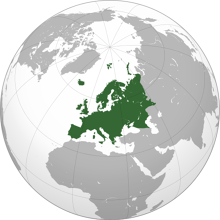
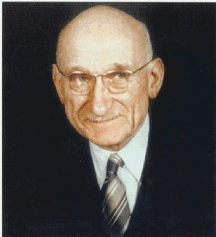
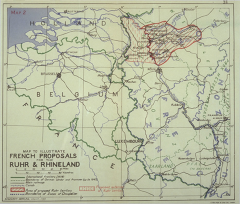
French Foreign Minister Robert Schuman proposed pooling European coal and steel production under a common authority, arguing that economic interdependence would make war between France and Germany materially impossible. The Schuman Declaration created the European Coal and Steel Community, which evolved through successive treaties into the European Union of 27 member states.
May 9, 1950
76 years ago
Key Figures & Places
What Else Happened on May 9

Thutmose III chose the narrow Aruna pass over safer routes, ignoring every advisor who told him it was suicide. His gamble worked. The Canaanite coalition waite…
Athanasius ascended to the patriarchate of Alexandria, launching a decades-long defense of Nicene Christianity against the rising tide of Arianism. His relentle…
inauguration de la basilique Saint-Apollinaire in Classe.
Melus of Bari had already tried once to throw off Byzantine rule and failed. But in 1009, this Lombard nobleman tried again, rallying forces in the port city th…
En la actual España: los bereberes, ayudados por Sancho García (conde de Castilla), se apoderan de la ciudad palatina cordobesa de Medina Azahara, residencia de…
Victor III est intronisé pape.
Talk to History
Have a conversation with historical figures who witnessed this era. Ask questions, explore perspectives, and bring history to life.