The Crown Jewels Heist: Thomas Blood's Audacious Theft
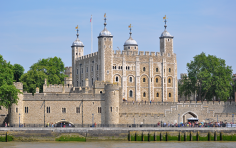
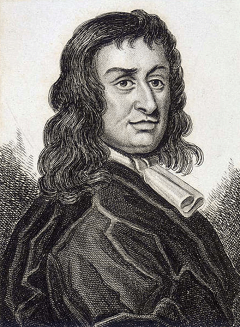
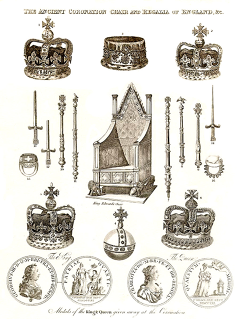
Thomas Blood walked into the Tower of London dressed as a clergyman on May 9, 1671, bowed to the elderly Keeper of the Jewels, and then smashed him over the head with a mallet. Blood and three accomplices flattened the St. Edward's Crown with the mallet to fit it under a cloak, filed the Sovereign's Sceptre in half, and stuffed the Sovereign's Orb down a companion's trousers. They nearly made it out. The heist was months in the planning. Blood, an Anglo-Irish adventurer with a history of plots against the crown, had cultivated a friendship with Talbot Edwards, the 77-year-old Assistant Keeper, by posing as a parson and visiting the Tower multiple times. He brought his supposed wife, who feigned illness during one visit to gain Edwards's sympathy. Blood eventually proposed a marriage between Edwards's daughter and his fictitious nephew, arranging for the wedding party to view the Crown Jewels privately. On the morning of the theft, Blood's "nephew" and two other accomplices arrived for the viewing. Once Edwards opened the gated enclosure housing the regalia, Blood threw the cloak over the old man, gagged him with a wooden plug, and hit him with the mallet. Edwards refused to stay quiet, and Blood stabbed him in the stomach with a blade hidden in his cane. The keeper survived. The alarm was raised by Edwards's son, who arrived unexpectedly from military service in Flanders just as the thieves were leaving with the crown, orb, and sceptre. A chase ensued across Tower grounds. Blood fired a pistol at his pursuers but was tackled near the outer gate, reportedly shouting "It was a bold attempt, and I'm not sorry!" What happened next baffled contemporaries and historians alike. Rather than being executed, Blood was brought before King Charles II for a personal audience. The king not only pardoned him but granted him lands in Ireland worth 500 pounds a year. Theories range from Blood being a secret intelligence agent to Charles simply being charmed by the man's audacity. Blood lived freely in London until his death in 1680, and the true reason for his pardon has never been satisfactorily explained.
May 9, 1671
355 years ago
Key Figures & Places

What Else Happened on May 9
Thutmose III chose the narrow Aruna pass over safer routes, ignoring every advisor who told him it was suicide. His gamble worked. The Canaanite coalition waite…
Athanasius ascended to the patriarchate of Alexandria, launching a decades-long defense of Nicene Christianity against the rising tide of Arianism. His relentle…
Melus of Bari had already tried once to throw off Byzantine rule and failed. But in 1009, this Lombard nobleman tried again, rallying forces in the port city th…
The roof was gone before they finished the walls. Lincoln Cathedral's consecration in 1092 came twenty years into construction—they blessed a building site, ess…
The wine was the thing. England needed Portuguese ports to break France's stranglehold on Bordeaux, and Portugal needed English archers to keep Castile from swa…
He ruled for six years and died in his bed. Sort of. 'Abd al-Latif, who'd blinded his own father Ulugh Beg to seize the Timurid throne in 1449, got strangled by…
Talk to History
Have a conversation with historical figures who witnessed this era. Ask questions, explore perspectives, and bring history to life.