Rome Falls: Imperial Sack Ends Papal Security
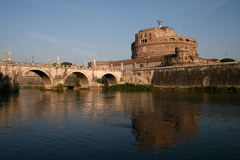
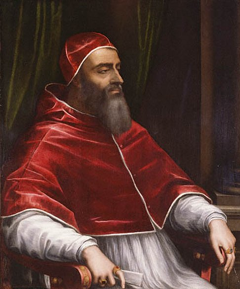
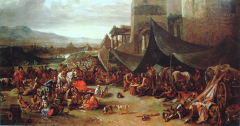
Charles III, Duke of Bourbon, was killed by an arquebus shot while scaling the walls of Rome at dawn on May 6, 1527. His death should have ended the assault. Instead, his leaderless army of 20,000 Imperial troops, many of them unpaid German Landsknechts and Spanish veterans, stormed the city with a ferocity that stunned even sixteenth-century Europe. The Sack of Rome lasted over a week and became one of the defining atrocities of the Renaissance. The attack grew from the tangled politics of the Italian Wars, in which Pope Clement VII had shifted his allegiance from Holy Roman Emperor Charles V to the League of Cognac, an alliance with France, Venice, and Milan. Charles V, furious at the pope's betrayal, sent an army south through Italy but failed to pay it. The troops, starving and mutinous, were promised the wealth of Rome as compensation. The city's defenses were feeble. Rome's garrison consisted of roughly 5,000 militia and 189 Swiss Guards. The Swiss fought a rearguard action on the steps of St. Peter's Basilica, losing 147 men while allowing Pope Clement VII and a handful of attendants to escape through the Passetto di Borgo, a fortified corridor connecting the Vatican to Castel Sant'Angelo. What followed was systematic plunder. Imperial soldiers looted churches, palaces, and private homes. They ransomed cardinals and nobles, tortured citizens to reveal hidden valuables, and destroyed priceless manuscripts and artworks. Nuns were assaulted. Tombs were broken open for jewelry. Lutheran Landsknechts, harboring Reformation hatred for the papacy, staged mock papal elections and paraded through the streets in stolen vestments. The pope remained besieged in Castel Sant'Angelo for seven months before surrendering and paying a massive ransom. The sack killed an estimated 6,000 to 12,000 Romans and drove the city's population from 55,000 to under 10,000. The event shattered the papacy's political authority in Italy and is widely regarded by historians as marking the end of the Italian High Renaissance.
May 6, 1527
499 years ago
Key Figures & Places
What Else Happened on May 6
The Constable of Bourbon died in the first wave, shot off a scaling ladder before his unpaid army even reached Rome's walls. What followed wasn't a battle. For …
Manco Inca brought 100,000 warriors to reclaim Cuzco from roughly 200 Spanish defenders. The numbers weren't even close. But those 200 had horses, steel armor, …
The problem wasn't that most English people couldn't read Latin. It's that their priests couldn't either. Henry VIII's 1536 order for English Bibles in every ch…
For the first time, an English farmer could walk into his parish church and read God's words in his own language. Henry VIII—the same king who'd broken with Rom…
Francis Xavier arrived in Old Goa to begin a decade of Jesuit missionary work across Asia. His presence transformed the region into the administrative heart of …
Maurice of Nassau brought English troops to a Spanish-held Dutch city and didn't storm the walls. He dug. For weeks, his engineers tunneled toward Coevorden's f…
Talk to History
Have a conversation with historical figures who witnessed this era. Ask questions, explore perspectives, and bring history to life.