

Scopes Arrested for Teaching Evolution: Tennessee Draws the Line
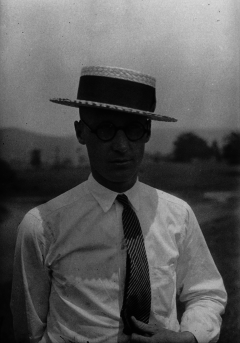
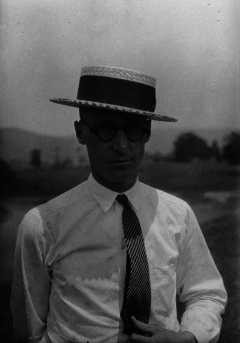
Tennessee authorities served an arrest warrant on high school teacher John T. Scopes for teaching evolution in violation of the Butler Act, triggering the most publicized courtroom showdown of the 1920s. The ensuing trial pitted Clarence Darrow against William Jennings Bryan and exposed a fault line between science and fundamentalism that still divides American education policy.
May 5, 1925
101 years ago
Key Figures & Places
What Else Happened on May 5
The emperor wasn't even there. Justinian I called 165 bishops to Constantinople to settle a theological fight that had been splitting Christians for a century—b…
les Perses prennent Jérusalem en Palestine et emmènent le patriarche et la population en captivité, ils s'emparent de la Vraie Croix comme trophée de leur triom…
consécration de la collégiale Sainte-Marie, future abbaye Saint-Corneille, construite par Charles le Chauve, petit-fils de Charlemagne, à Compiègne, dont il vou…
en Al Ándalus (España), el caudillo andalusí Almanzor parte de Córdoba con un numeroso ejército con el objetivo de arrasar el condado de Barcelona.
reprise de Valence par les Almoravides de Youssef ben Tachfine.
Lech le Blanc devient duc de Pologne.
Talk to History
Have a conversation with historical figures who witnessed this era. Ask questions, explore perspectives, and bring history to life.