

Carnegie Hall Opens: Tchaikovsky Conducts Opening Night
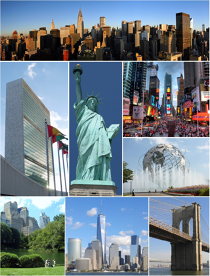
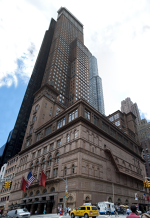
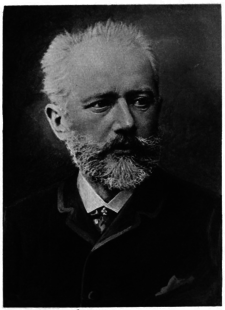
Tchaikovsky took the podium to conduct the premiere of his Piano Concerto No. 1 at the newly opened Music Hall in New York City, instantly establishing the venue as a world-class cultural hub. This debut performance cemented the hall's reputation, ensuring it would evolve into Carnegie Hall and become the definitive stage for classical music in America for over a century.
May 5, 1891
135 years ago
Key Figures & Places


What Else Happened on May 5
The emperor wasn't even there. Justinian I called 165 bishops to Constantinople to settle a theological fight that had been splitting Christians for a century—b…
les Perses prennent Jérusalem en Palestine et emmènent le patriarche et la population en captivité, ils s'emparent de la Vraie Croix comme trophée de leur triom…
consécration de la collégiale Sainte-Marie, future abbaye Saint-Corneille, construite par Charles le Chauve, petit-fils de Charlemagne, à Compiègne, dont il vou…
en Al Ándalus (España), el caudillo andalusí Almanzor parte de Córdoba con un numeroso ejército con el objetivo de arrasar el condado de Barcelona.
reprise de Valence par les Almoravides de Youssef ben Tachfine.
Lech le Blanc devient duc de Pologne.
Talk to History
Have a conversation with historical figures who witnessed this era. Ask questions, explore perspectives, and bring history to life.