

Al Capone Reports to Prison: The Gangster Begins His 11-Year Sentence
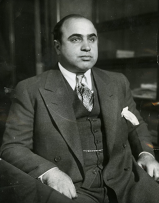
Frank J. Wilson targeted Al Capone’s lavish spending to prove his hidden income after a Supreme Court closed the illegal earnings loophole. Capone’s own lawyer inadvertently handed prosecutors a letter admitting $100,000 in taxable revenue for 1928 and 1929 during settlement talks. This direct confession secured an eleven-year prison sentence and nearly $300,000 in fines, finally dismantling the kingpin’s empire through tax law rather than Prohibition violations.
May 4, 1932
94 years ago
Key Figures & Places

What Else Happened on May 4
Das erste überlieferte starke Erdbeben in Österreich ereignet sich im Liesertal. Zwei Burgen und einige Kirchen werden von ihm zerstört.

Pope Alexander IV had a problem: dozens of tiny hermit communities scattered across Italy, each following Augustine's rule, none following orders from Rome. So …
ratification du traité de Guérande signé le 15 janvier de la même année entre le duché de Bretagne et le royaume de France.Bataille de Tewkesbury

They burned his bones thirty-one years after he died. John Wycliffe had translated the Bible into English and questioned papal authority from Oxford. Safe in hi…
The rebel who united Sweden's miners and peasants against Danish rule didn't fall in battle. Engelbrekt Engelbrektsson was stabbed to death by a Swedish noblema…
en el Reino nazarí de Granada, las huestes cristianas de Enrique IV de Castilla entran en los pueblos de Alora, Coín y Cártama (actual provincia de Málaga), arr…
Talk to History
Have a conversation with historical figures who witnessed this era. Ask questions, explore perspectives, and bring history to life.