

Thatcher Becomes PM: Britain's First Female Leader
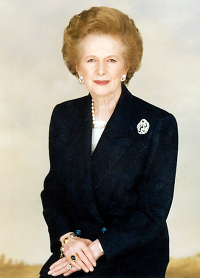
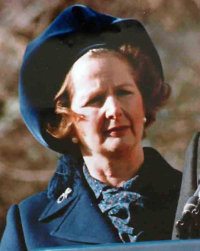
Margaret Thatcher leads the Conservative Party to a decisive victory, ousting the Labour government and becoming the United Kingdom's first female prime minister. Her ascent triggers three decades of neoliberal economic reforms that fundamentally reshape British industry, labor relations, and the nation's global standing.
May 3, 1979
47 years ago
Key Figures & Places
What Else Happened on May 3
en China, se registra un eclipse solar, «El Sol está avergonzado, se ocultó durante el día».
Ethnic violence erupted between the Meitei and Kuki Zo communities in Manipur, triggered by disputes over land rights and affirmative action status. This confli…
en Bizancio, Helena de Constantinopla (madre del emperador Constantino) dice haber encontrado la cruz de madera en la que murió Jesucristo.
Bird Jaguar IV ascended the throne of Yaxchilan, ending a ten-year interregnum that had paralyzed the city-state’s leadership. By aggressively commissioning mon…
cerca de Jerusalén (Israel) sucede un terremoto. Sus efectos se registran también en Halab (Siria) y Antioquía (Turquía).
élection du pape Grégoire V.
Talk to History
Have a conversation with historical figures who witnessed this era. Ask questions, explore perspectives, and bring history to life.