

North Korea Established: Kim Il-sung Takes Power
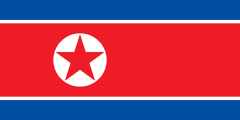
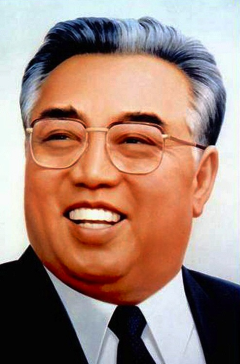
Kim Il-sung had been in the Soviet Union since 1940, leading a Korean battalion in the Red Army. When Soviet forces rolled into northern Korea in August 1945, they brought him along—a 33-year-old officer most Koreans had never heard of. Three years later, on September 9, 1948, he stood as president of the Democratic People's Republic of Korea. The Soviets had found their man. South Korea had declared independence three weeks earlier under Syngman Rhee. One peninsula, two governments, both claiming the whole thing. Neither would back down.
May 1, 1948
78 years ago
Key Figures & Places
What Else Happened on May 1
Cônsul romano Públio Valério Publícola celebra um triunfo romano por sua vitória sobre os veios e os sabinos.
Diocletian and Maximian stepped down as Roman Emperors, ending the first voluntary abdication in the empire's history. By relinquishing power to their appointed…
Sigismund drowned his own son in a well years earlier, pushed by his second wife's accusations of treason. The boy was innocent. When Sigismund tried to flee af…

The roof alone took twelve tons of gold leaf. Basil I wanted something impossible: a church large enough to hold relics from seventeen saints, built on a founda…
en Roma un cónclave de obispos nombra papa a Gregorio VI.
Markgraf Dietrich II. von Landsberg und der Ostmark (Lausitz) gründet das Kloster Dobrilugk.
Talk to History
Have a conversation with historical figures who witnessed this era. Ask questions, explore perspectives, and bring history to life.