

Scofield Mine Blows: 200 Lives Lost in Tragedy
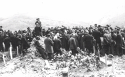
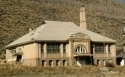
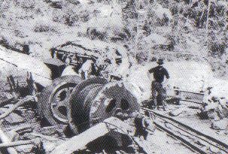
The blast reached the surface as a column of flame and debris that shot from the mine entrance and scattered timbers across the mountainside. At 10:28 on the morning of May 1, 1900, an explosion ripped through Mine Number Four of the Winter Quarters complex in Scofield, Utah, killing over 200 miners in what remains one of the deadliest industrial disasters in American history. Scofield was a company town owned by the Pleasant Valley Coal Company, which supplied fuel to the Union Pacific Railroad. The mine employed virtually every working-age man in the community. Miners entered the tunnels at 10:24, just four minutes before the explosion. The blast was caused by coal dust ignited either by a blown-out blasting charge or an open flame, though the exact trigger was never determined. The explosion's force was so violent that it reversed airflow through connecting tunnels and killed miners in the adjacent Mine Number One, nearly half a mile away. Rescue teams found bodies in clusters, some still holding lunch pails. Many victims showed no burns or injuries; they had suffocated on afterdamp, the toxic mixture of carbon monoxide and carbon dioxide that fills mines after an explosion. Of the town's roughly 1,800 residents, 200 men and boys died. Some families lost every male member. The youngest victim was fourteen. Every household in Scofield was directly affected, and the funeral processions continued for days. The disaster left over a hundred widows and several hundred orphaned children in a community with no other economic base. The tragedy prompted Utah to create the State Mine Inspector's office and pass new ventilation requirements. Similar reforms followed in other mining states, though enforcement remained weak for decades. The Scofield cemetery, where victims are buried in long rows, is now a state memorial.
May 1, 1900
126 years ago
Key Figures & Places

What Else Happened on May 1
Diocletian and Maximian stepped down as Roman Emperors, ending the first voluntary abdication in the empire's history. By relinquishing power to their appointed…
Sigismund drowned his own son in a well years earlier, pushed by his second wife's accusations of treason. The boy was innocent. When Sigismund tried to flee af…
The roof alone took twelve tons of gold leaf. Basil I wanted something impossible: a church large enough to hold relics from seventeen saints, built on a founda…
Three ships. Thirty knights. Sixty men-at-arms in rusted mail. That's all it took to crack Ireland open. Diarmait Mac Murchada hired them because his own count…
Robert the Bruce got everything he wanted, but he'd been excommunicated for fourteen years when England finally signed. The Treaty of Edinburgh-Northampton in 1…
Three brothers commanded the rebel Douglas army at Arkinholm, and all three were dead or captured by sunset. Archibald Douglas, Earl of Moray, fell in the fight…
Talk to History
Have a conversation with historical figures who witnessed this era. Ask questions, explore perspectives, and bring history to life.