England and Scotland Unite: Great Britain Is Born
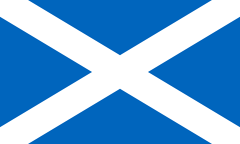
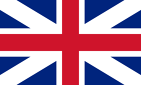
Two nations that had shared a monarch for a century but governed themselves separately chose, after years of bitter negotiation, to merge into one state. On May 1, 1707, the Acts of Union dissolved the separate parliaments of England and Scotland and created the Kingdom of Great Britain, forging the political entity that would dominate global affairs for the next two centuries. Scotland's path to union was paved by financial catastrophe. The Darien scheme, an attempt to establish a Scottish trading colony on the Isthmus of Panama in the late 1690s, consumed roughly a quarter of Scotland's liquid capital and ended in disease, Spanish hostility, and total failure. England, which had actively undermined the venture, now held enormous economic leverage over its northern neighbor. The treaty guaranteed Scotland's legal system, Presbyterian church, and education institutions would remain independent. Scottish nobles received financial compensation through the "Equivalent," a payment of nearly 400,000 pounds meant to offset Scotland's share of English national debt and compensate Darien investors. English negotiators secured what they wanted most: a unified foreign policy and the elimination of any possibility that Scotland might invite a rival monarch. Popular opposition in Scotland was fierce. Riots broke out in Edinburgh and Glasgow, and pamphlets warned of national extinction. The Scottish Parliament passed the treaty by 110 votes to 69, with allegations of bribery swirling around several members. Robert Burns would later write that Scotland's leaders had been "bought and sold for English gold." The union created the largest free-trade zone in Europe. Within decades, Scottish merchants, engineers, and soldiers became central to the expansion of the British Empire.
May 1, 1707
319 years ago
Key Figures & Places
What Else Happened on May 1
Diocletian and Maximian stepped down as Roman Emperors, ending the first voluntary abdication in the empire's history. By relinquishing power to their appointed…
Sigismund drowned his own son in a well years earlier, pushed by his second wife's accusations of treason. The boy was innocent. When Sigismund tried to flee af…
The roof alone took twelve tons of gold leaf. Basil I wanted something impossible: a church large enough to hold relics from seventeen saints, built on a founda…
Three ships. Thirty knights. Sixty men-at-arms in rusted mail. That's all it took to crack Ireland open. Diarmait Mac Murchada hired them because his own count…
Robert the Bruce got everything he wanted, but he'd been excommunicated for fourteen years when England finally signed. The Treaty of Edinburgh-Northampton in 1…
Three brothers commanded the rebel Douglas army at Arkinholm, and all three were dead or captured by sunset. Archibald Douglas, Earl of Moray, fell in the fight…
Talk to History
Have a conversation with historical figures who witnessed this era. Ask questions, explore perspectives, and bring history to life.