Saigon Falls: The Vietnam War Ends in Communist Victory
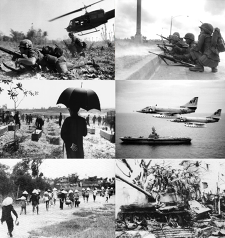
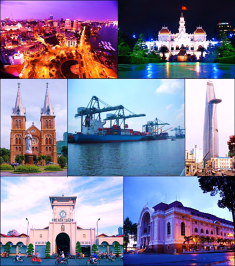
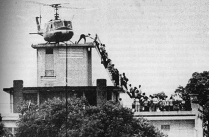
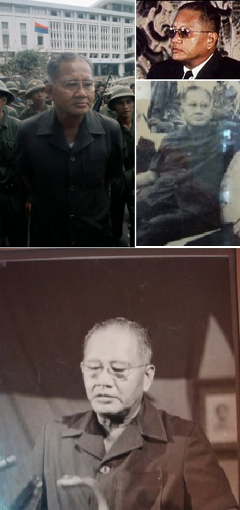
North Vietnamese tanks crashed through the iron gates of Independence Palace in Saigon at 10:45 AM on April 30, 1975, and the Vietnam War was over. Colonel Bui Tin of the People's Army of Vietnam entered the building and accepted the surrender of General Duong Van Minh, who had been president of South Vietnam for only two days. "You cannot hand over what you do not have," Bui Tin told Minh. A soldier ran to the palace roof and raised the flag of the Provisional Revolutionary Government. Saigon was renamed Ho Chi Minh City. Thirty years of war had ended in total victory for the Communist north. The final offensive had been breathtaking in its speed. North Vietnam launched what it expected to be the first phase of a two-year campaign in January 1975. When South Vietnamese forces collapsed in the Central Highlands in March, abandoning Pleiku and Kontum in panicked retreats that killed thousands of soldiers and civilians, Hanoi realized the entire south was disintegrating. The Politburo accelerated the timetable. Da Nang fell on March 29. Xuan Loc, the last defensive position before Saigon, fell on April 21. By late April, seventeen North Vietnamese divisions surrounded the capital. The human consequences were staggering. An estimated 2 to 3 million Vietnamese, 58,220 Americans, and hundreds of thousands of Cambodians and Laotians died during the conflict. Millions more were wounded, displaced, or poisoned by Agent Orange, a defoliant whose health effects afflict Vietnamese and American veterans to this day. After the fall of Saigon, the Communist government sent hundreds of thousands of former South Vietnamese military and government personnel to "reeducation camps," where many remained for years under brutal conditions. Approximately 800,000 Vietnamese fled the country by boat between 1975 and the early 1990s; tens of thousands drowned. The fall of Saigon traumatized American foreign policy for a generation. The "Vietnam syndrome," a deep reluctance to commit ground forces to foreign conflicts, constrained US military action until the Gulf War in 1991. The war discredited the domino theory, shattered public trust in government, and exposed a gap between official optimism and battlefield reality that the Pentagon Papers had already documented. For Vietnam, reunification under Communist rule brought peace but also economic stagnation, repression, and isolation that lasted until the Doi Moi reforms of 1986 began opening the country to market economics and the wider world.
April 30, 1975
51 years ago
Key Figures & Places
What Else Happened on April 30
A dying emperor signed a death warrant for himself by sparing Christians. In 311, Galerius, who'd burned churches and sold confiscated goods, finally ordered al…
Licinius crushed the forces of Maximinus II at the Battle of Tzirallum, securing his sole authority over the Eastern Roman Empire. This victory ended the tetrar…
Licinius defeated the forces of Maximinus Daza at the Battle of Tzirallum, consolidating his absolute control over the Eastern Roman Empire. This victory ended …
A bishop's hand trembled as he anointed Chindasuinth in Toledo, 642. The nobility didn't cheer; they traded chaos for a crown that demanded blood. He'd later fo…
Observers across the globe witnessed a brilliant new star erupt in the constellation Lupus, outshining the moon for months. This celestial explosion, now known …
A rope snapped, sending the King's former chancellor swinging wildly from Montfaucon's gallows while Paris watched in stunned silence. Enguerrand de Marigny, wh…
Talk to History
Have a conversation with historical figures who witnessed this era. Ask questions, explore perspectives, and bring history to life.