

Washington Inaugurated: America's First President Takes the Oath
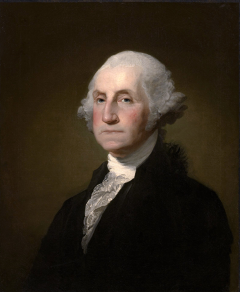
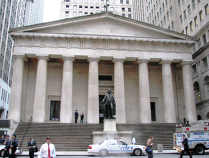
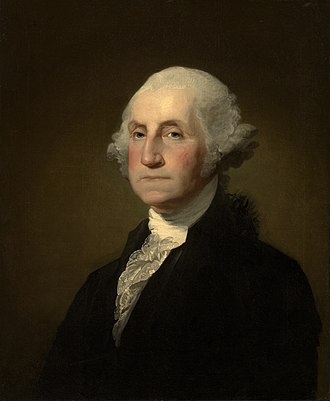
George Washington steps onto the balcony of Federal Hall to take the oath of office, establishing the executive branch and setting a precedent for peaceful transfers of power that anchors the new republic. This moment transforms the abstract concept of a presidency into a living reality, ensuring the Constitution gains immediate authority through a single, visible act of leadership.
April 30, 1789
237 years ago
Key Figures & Places




What Else Happened on April 30
A dying emperor signed a death warrant for himself by sparing Christians. In 311, Galerius, who'd burned churches and sold confiscated goods, finally ordered al…
l'empereur romain Galère autorise le culte chrétien par l'édit de Sardique.
Licinius defeated the forces of Maximinus Daza at the Battle of Tzirallum, consolidating his absolute control over the Eastern Roman Empire. This victory ended …
Licinius crushed the forces of Maximinus II at the Battle of Tzirallum, securing his sole authority over the Eastern Roman Empire. This victory ended the tetrar…
l'Auguste Licinius bat Maximin II Daïa lors de la bataille de Tzirallum en Thrace.
A bishop's hand trembled as he anointed Chindasuinth in Toledo, 642. The nobility didn't cheer; they traded chaos for a crown that demanded blood. He'd later fo…
Talk to History
Have a conversation with historical figures who witnessed this era. Ask questions, explore perspectives, and bring history to life.