

Nichiren Declares Nam Myoho Renge Kyo: A New Buddhist Path
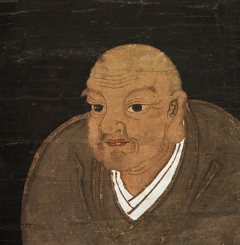
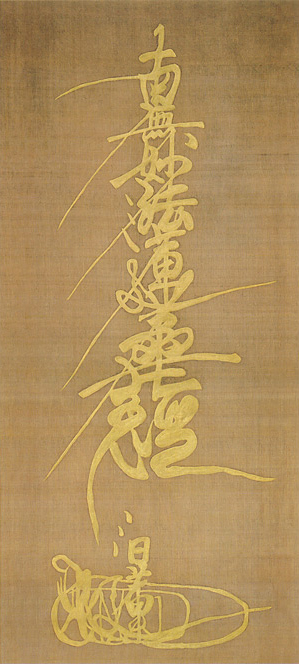
Nichiren, a Buddhist monk from eastern Japan, chanted "Nam Myoho Renge Kyo" for the first time on April 28, 1253, at Seicho-ji temple in Awa Province, declaring the Lotus Sutra to be the sole vehicle of salvation and condemning all other Buddhist schools as heretical. The declaration was not a quiet theological adjustment. Nichiren shouted his new doctrine from the temple grounds at dawn, facing the rising sun, deliberately provoking the established religious order. He was 31 years old and had spent nearly twenty years studying at Mount Hiei, the headquarters of Tendai Buddhism, before concluding that the entire Japanese Buddhist establishment had gone astray. Nichiren's core teaching was radical in its simplicity. He argued that the Lotus Sutra, a Mahayana text that claims to contain the Buddha's ultimate teaching, was the only scripture necessary for enlightenment. All other sutras, meditation practices, and devotional schools were at best irrelevant and at worst actively harmful. By chanting the title of the sutra in its Sino-Japanese pronunciation, "Nam Myoho Renge Kyo," practitioners could access the sutra's full power directly, without the need for monastic training, scriptural study, or priestly intermediaries. The reaction was immediate and hostile. Nichiren's denunciation of Pure Land Buddhism, Zen, and the Shingon esoteric tradition made him enemies among the most powerful religious institutions in Japan. He was exiled twice, sentenced to execution once (reportedly saved by a miraculous intervention when lightning struck near the executioner), and physically attacked on multiple occasions. His followers were persecuted, imprisoned, and killed. Far from discouraging Nichiren, the persecution confirmed his belief that he was living in the "Latter Day of the Law," a degenerate age predicted in Buddhist scripture when true teaching would face violent opposition. Nichiren Buddhism today claims millions of adherents worldwide, primarily through Soka Gakkai International, a lay organization founded in 1930 that became one of the most successful religious movements of the twentieth century. SGI's emphasis on chanting, personal empowerment, and social engagement has made it the most visible form of Buddhism in many Western countries. The man who was exiled to a freezing island for challenging Japan's religious establishment in 1271 founded a tradition that now operates in 192 countries.
April 28, 1253
773 years ago
Key Figures & Places





What Else Happened on April 28
Ardashir didn't just win; he crushed Artabanus V beneath the hooves of his own cavalry near Hormozdgan in 224. The Parthian king, once the master of a vast real…
He marched in wearing purple, but his boots were stained with the mud of a three-day massacre where 20,000 soldiers fell. The city he entered was silent; the cr…
Just two days after Tyre's crowd cheered him King, Conrad of Montferrat died in a narrow street by an assassin's blade. The Hashshashin struck while he walked f…
Temür Khan secured the Mongol throne following a grand kurultai, consolidating power as the grandson of Kublai. His ascension stabilized the Yuan dynasty’s admi…
Spanish forces decimated the French army at the Battle of Cerignola by anchoring their defense behind a fortified ditch and unleashing a devastating volley of a…
A single friar, Fray Domingo de Salazar, convinced the Spanish crown to fund a school in Manila with just 100 pesos and a handful of students. That gamble meant…
Talk to History
Have a conversation with historical figures who witnessed this era. Ask questions, explore perspectives, and bring history to life.