

Parliament Passes Tea Act: Seeds of the Boston Tea Party Planted
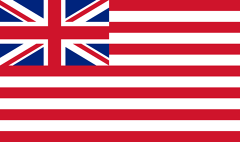
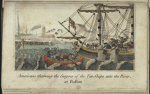
The British Parliament passed the Tea Act on April 27, 1773, granting the struggling East India Company a monopoly on tea sales in the American colonies. The law was not primarily designed to tax the colonists; it actually made tea cheaper by allowing the Company to sell directly to colonial merchants, bypassing the middlemen who had marked up the price. But the Act preserved the three-penny-per-pound Townshend duty on tea, and that was the problem. American patriots saw the cheap tea not as a bargain but as a trap: accept it, and you accept Parliament's right to tax the colonies without their consent. The East India Company was on the verge of bankruptcy, sitting on 17 million pounds of unsold tea in London warehouses. The company was too important to fail. It administered British India, employed thousands, and paid significant revenue to the crown. Lord North's government designed the Tea Act to rescue the company by opening the colonial market while simultaneously asserting parliamentary authority over colonial trade. The dual purpose guaranteed that no outcome could satisfy both London and the colonies. Colonial response was immediate and coordinated. In Philadelphia and New York, tea ships were turned away before they could dock. In Charleston, the tea was seized and locked in a warehouse. In Boston, Governor Thomas Hutchinson refused to let the ships leave without unloading, creating a standoff that ended on December 16, 1773, when members of the Sons of Liberty, disguised as Mohawk Indians, boarded three ships and dumped 342 chests of tea into Boston Harbor. The destruction of property worth approximately 10,000 pounds, over a million dollars in today's money, was deliberate, disciplined, and theatrical. Parliament's retaliation, the Coercive Acts of 1774, closed Boston's port, revoked Massachusetts's charter of self-government, and quartered troops in colonial homes. The acts, which Americans called the Intolerable Acts, united the colonies in opposition to British authority and led directly to the First Continental Congress in September 1774 and the outbreak of war at Lexington and Concord in April 1775. A law designed to sell cheap tea ignited a revolution.
April 27, 1773
253 years ago
Key Figures & Places


What Else Happened on April 27
Three hundred captured Iberians stood in chains as Philippus paraded them through Rome's dust, a spectacle for his step-brother Octavian who watched from the cr…
Coins bore his face, not Rome's god. Philip spent fortunes on twenty days of games while legions mutinied on the frontier. He tried to buy a millennium that was…
She brought Frankish steel to Constantinople's silk halls. In 395, Arcadius wed Aelia Eudoxia, daughter of general Flavius Bauto. But she didn't just sit on a t…
The crown sat heavy on Shahrbaraz's head, but his victory tasted like ash from a burning Ctesiphon. After six years of civil war and a dead emperor, he'd traded…
They called it Jabal Tariq. The Rock of Tariq. A mountain named after a Berber general who sailed across the strait with just 7,000 men to face a Visigothic arm…
The crown sat heavy on a man who'd spent decades as an English hostage, not a warrior king. David I didn't just take the throne in 1124; he swapped Scottish cla…
Talk to History
Have a conversation with historical figures who witnessed this era. Ask questions, explore perspectives, and bring history to life.