

First Insulin Injection Saves a Dying Boy: Diabetes Gets a Cure
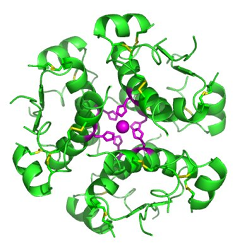
Twelve-year-old Leonard Thompson was dying. Skeletal, barely conscious, he'd been in a Toronto hospital ward for months—another victim of what doctors called a "death sentence" disease. But Canadian researchers Frederick Banting and Charles Best had other plans. They'd extracted insulin from dog pancreases and were ready to try something radical. The first injection didn't work. But a refined dose two weeks later? Thompson stabilized. Suddenly, type 1 diabetes wasn't an automatic death sentence. And a medical miracle was born.
January 11, 1922
104 years ago
Key Figures & Places

What Else Happened on January 11
The Byzantine crowd wasn't just cheering. They were a powder keg of tribal fury. What started as rival chariot racing fans shouting insults quickly became a ful…
sublevación contra el emperador oriental Justiniano I.
Twelve years after being chased from his hometown, Muhammad rode back into Mecca with 10,000 warriors—not for revenge, but with an unprecedented military restra…
The black-robed warriors rode into Mecca's sacred center with a chilling purpose. Followers of a radical Ismaili sect, the Qarmatians weren't just raiders—they …
She wasn't supposed to be there. A former prostitute who'd worked Constantinople's streets, Theodora would become one of the most powerful women in medieval his…
He wasn't supposed to be king. A younger son typically destined for monasteries or minor roles, Vladislav instead muscled his way to the Bohemian throne through…
Talk to History
Have a conversation with historical figures who witnessed this era. Ask questions, explore perspectives, and bring history to life.