

Emancipation Proclamation Drops: 3.1 Million Freed on Paper
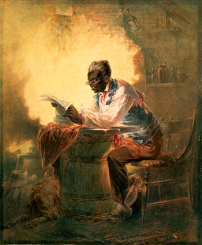
The Emancipation Proclamation freed nobody on the morning it took effect. Nobody. Lincoln's jurisdiction covered only Confederate states — territory where he couldn't enforce a parking ticket, let alone dismantle an entire economic system built on owning human beings. Border states that kept slaves but stayed loyal? Excluded. It was a war measure dressed in moral language, and Lincoln knew exactly what he was doing. But he also understood something critical: wars need a cause that soldiers will die for, and "preserve the nation" wasn't cutting it anymore. So he reframed everything. As federal troops pushed south they carried the proclamation with them and enslaved people didn't wait for an invitation — they walked off plantations by the thousands and kept walking. By war's end nearly 200,000 Black men had put on Union blue. The Thirteenth Amendment killed slavery officially in December 1865. But the proclamation — a wartime order with zero enforcement power — made that ending inevitable two full years before it arrived.
January 1, 1863
163 years ago
Key Figures & Places



What Else Happened on January 1
Roman consuls began their year in office on January 1 for the first time in 153 BC. Before that, they'd taken power on March 15. The change happened because Rom…
el cónsul Cayo Mario celebra el triunfo romano en la Guerra de Yugurta sobre Yugurta, el rey de los númidas, que será ejecutado una semana después en la prisión…
The Julian calendar takes effect as the civil calendar of the Roman Empire, establishing January 1 as the new date of the new year. That was -45.
The Roman Senate posthumously deifies Julius Caesar. That was -42.
en Roma, Calígula inaugura el segundo consulado: lo ejercerá durante 30 días.
The Roman legions in Germania Superior refuse to swear loyalty to Galba. They rebel and proclaim Vitellius as emperor. That was 69.
Talk to History
Have a conversation with historical figures who witnessed this era. Ask questions, explore perspectives, and bring history to life.