Brian Boru Wins Clontarf: Viking Power Crumbles in Ireland
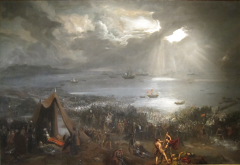
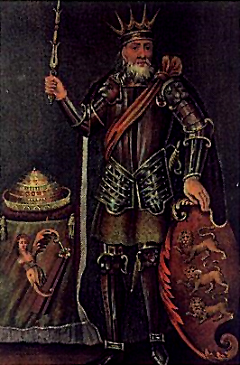
Brian Boru, the aging High King of Ireland, shattered Norse-Dublin power at Clontarf on April 23, 1014, in one of the bloodiest battles fought on Irish soil. An alliance of Viking settlers from Dublin, Norse warriors from Orkney and the Isle of Man, and the rebellious King of Leinster met Brian's Munster-led forces on the coastal plain north of Dublin. The fighting lasted from dawn until evening, and by its end, the Viking-Irish coalition was broken. So was Brian Boru, killed in his tent after the battle, reportedly by fleeing Norse warriors. The Battle of Clontarf was not a simple Irish-versus-Viking affair, despite a thousand years of nationalist mythmaking. Viking settlers had been part of Irish political life for two centuries by 1014, intermarrying with Irish families and converting to Christianity. Dublin itself was a Norse-founded city that had become Ireland's most important trading port. The battle lines at Clontarf were drawn less along ethnic lines than along shifting alliances of ambition and rivalry. Brian's own army included Norse allies from Limerick. Brian Boru's rise to the high kingship was itself extraordinary. Born into the relatively minor Dal Cais dynasty of Munster, he spent decades fighting his way to supremacy through a combination of military skill, strategic marriages, and ruthless elimination of rivals. By 1002, he had forced the submission of every major Irish king and adopted the title "Emperor of the Irish," a grandiose claim recorded in the Book of Armagh. His achievement was unprecedented in Irish history, but it was also personal rather than institutional, and it died with him at Clontarf. The battle's aftermath confirmed this fragility. Without Brian, the high kingship fractured back into competing provincial kingdoms that would not be unified again until the English conquest. Clontarf ended large-scale Viking military power in Ireland but did not end Norse influence: Dublin's Norse-Irish population continued to thrive as traders and craftspeople for another century and a half. Brian Boru entered Irish legend as the king who drove out the Vikings, a simplification that says more about the needs of later generations than about the messy realities of 1014.
April 23, 1014
1012 years ago
Key Figures & Places
What Else Happened on April 23
They built a shrine to a goddess of desire right after losing an army. In 215 BC, panic drove Rome's leaders to dedicate Venus Erycina on the Capitoline Hill fo…
A queen falls, not in battle's heat, but to a sack that turns stone to dust. In 599, Uneh Chan of Calakmul crushed Palenque's defenses, killing Queen Yohl Ik'na…
A seven-year-old boy in a wool tunic stood under a canopy while nobles held their breath. Dagobert III didn't rule; his father, Pepin II, did everything behind …
Dagobert III ascended to the Frankish throne following the death of his father, Childebert III. His reign deepened the decline of Merovingian authority, as the …
Brian Boru's army smashed the Viking line at Clontarf, yet the High King died under his own tent while celebrating victory. Three thousand men fell that April d…
Edmund Ironside ascended the English throne following the death of his father, Æthelred the Unready, amidst a brutal Danish invasion. His desperate, seven-month…
Talk to History
Have a conversation with historical figures who witnessed this era. Ask questions, explore perspectives, and bring history to life.