

Marie Curie Isolates Radium: The Element That Glows and Kills
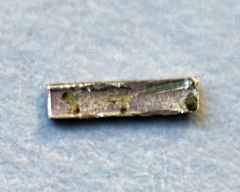
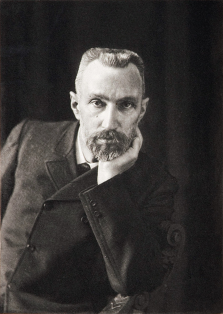
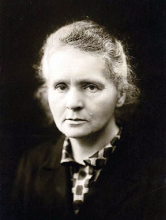
Marie and Pierre Curie isolated a new element from pitchblende that emitted carmine spectral lines never before documented, proving their sample contained something far more radioactive than uranium. They named this substance radium after its ability to emit energy as rays, a discovery that fundamentally expanded the understanding of atomic physics and launched the field of radioactivity research.
April 20, 1902
124 years ago
Key Figures & Places

What Else Happened on April 20
Das Bistum Salzburg wird nach Fürsprache von Karl dem Großen zum Erzbistum erhoben, dem ältesten noch bestehenden Erzbistum im deutschen Sprachraum, dem die Suf…
bataille d'Artah qui oppose les Francs de Tancrède de Hauteville (régent d'Antioche) aux Turcs du malik d'Alep Ridwân lors d'une des premières des huit Croisade…
A mother and son fought over Jerusalem, not for glory, but for who held the reins of power. For eight years, Baldwin III and Queen Melisende clashed, tearing th…
en Tordehumos (España), el rey de León, Alfonso IX, y el de Castilla, Alfonso VIII, firman el Tratado de Tordehumos.
Ein Brand zerstört am Karfreitag große Teile Magdeburgs, unter anderem den unter Kaiser Otto erbauten Magdeburger Dom und die Königspfalz.
en Sicilia, el rey Pedro III nombra a Roger de Lauria almirante de la armada aragonesa de Sicilia.
Talk to History
Have a conversation with historical figures who witnessed this era. Ask questions, explore perspectives, and bring history to life.