
Adams Secures Dutch Recognition: U.S. Independence Solidified
John Adams secured the Dutch Republic's formal recognition of the United States on April 19, 1782, making the Netherlands the second country after France to acknowledge American independence. The recognition came with a loan of five million guilders that kept the Continental Congress solvent during the final years of the Revolutionary War. Adams had spent two years in The Hague enduring what he called "the most humiliating, the most laborious, and the most disagreeable of all my diplomatic experiences," pressing his case in a country that feared provoking Britain. The Dutch Republic was a natural ally for the rebellious colonies. Both nations had fought wars of independence against larger imperial powers, and Dutch merchants saw commercial opportunity in an American republic free from British trade restrictions. But the ruling House of Orange maintained close ties to Britain, and the States-General moved with agonizing deliberation. Adams, who lacked the social graces that made Benjamin Franklin so effective in Paris, compensated with relentless persistence, submitting memorials to every provincial assembly and courting individual regents. Britain's declaration of war on the Netherlands in December 1780, provoked by Dutch merchants trading with the Americans, paradoxically accelerated recognition. The war damaged Dutch commerce and removed the primary reason for Dutch caution. Adams published his memorial to the States-General, which argued that Dutch and American interests were naturally aligned, and public opinion shifted decisively in his favor. Recognition came with diplomatic reception, commercial treaty, and the financial lifeline Adams had been seeking. The Dutch loans, which eventually totaled approximately 30 million guilders, were critical to American survival. Congress was bankrupt, unable to pay soldiers or suppliers, and French assistance alone was insufficient. Dutch banking houses, particularly the firms of Willink and Van Staphorst in Amsterdam, continued lending to the United States throughout the 1780s. Adams regarded the Dutch recognition as his greatest diplomatic achievement, more consequential than the Treaty of Paris that officially ended the war, because it came when the American cause most desperately needed financial salvation.
April 19, 1782
244 years ago
Key Figures & Places
United States
Wikipedia
Netherlands
Wikipedia

The Hague
Wikipedia
Dutch Republic
Wikipedia
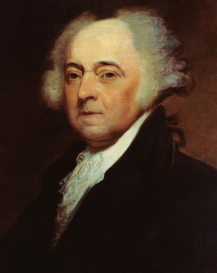
John Adams
Wikipedia
American embassy
Wikipedia
John Adams
Wikipedia
Netherlands–United States relations
Wikipedia
The Hague
Wikipedia
Johnny Logan (singer)
Wikipedia
Republic of Ireland
Wikipedia
Eurovision Song Contest
Wikipedia
Dutch Republic
Wikipedia
List of diplomatic missions of the United States
Wikipedia
What Else Happened on April 19
A slave named Milichus didn't just overhear a whisper; he heard his master Piso plotting to kill Nero himself. The freedman raced through Rome's dark streets, r…
Belisarius didn't just lose; he lost his cavalry to a Persian arrow that shattered his shield and forced a chaotic retreat across the Euphrates. Thousands of me…
Danish raiders bludgeoned the Archbishop of Canterbury, Ælfheah, to death after he refused to authorize a massive ransom payment from his impoverished people. H…
Three days of fire and blood in April 1506 turned Lisbon's streets red. Angry mobs dragged the "New Christians" from their homes, burning them alive at the Ross…
Seven German princes and four free cities just refused to sign a decree banning Luther's teachings. They didn't care that Emperor Charles V had already crushed …
The Treaty of Frankfurt of 1539 gave German Protestants a temporary reprieve — 15 months during which Charles V agreed to pause enforcement of the Edict of Worm…
Talk to History
Have a conversation with historical figures who witnessed this era. Ask questions, explore perspectives, and bring history to life.