

Khmer Rouge Takes Phnom Penh: Cambodia's Nightmare Begins
A man named Lon Nol fled the capital just hours before the Khmer Rouge marched into Phnom Penh on April 17, 1975. They didn't stop at the palace; they forced two million people to march out of the city, stripping them of shoes and watches. Families were separated in the chaos, sent to die in rice fields or execution pits within months. That surrender didn't end a war; it started a four-year nightmare that erased a nation's soul. You won't remember the date, but you'll never forget the silence of a country that stopped breathing.
April 17, 1975
51 years ago
Key Figures & Places

Cambodia
Wikipedia
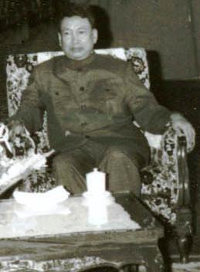
Khmer Rouge
Wikipedia

Phnom Penh
Wikipedia
Cambodian Civil War
Wikipedia

Cambodian government forces
Wikipedia

Cambodian Civil War
Wikipedia

Cambodian genocide
Wikipedia

Khmer Rouge
Wikipedia

Fall of Phnom Penh
Wikipedia

Phnom Penh
Wikipedia

Khmer National Armed Forces
Wikipedia

Cambodia
Wikipedia

Pol Pot
Wikipedia

Geschichte Kambodschas
Wikipedia

Norodom Sihanouk
Wikipedia
Democratic Kampuchea
Wikipedia

Lon Nol
Wikipedia
What Else Happened on April 17
Die historische Mondfinsternis vom 16./17. April wird in mehreren babylonischen Keilschriften dokumentiert. Sie ist für Herrscher-Datierungen in Persien und Ägy…
Vitellius claimed the Roman throne after his legions crushed Otho’s forces at the First Battle of Bedriacum. This victory ended the brief reign of the third emp…
después de la primera batalla de Bedriacum ―en Cremona (Italia)―, Vitelio se convierte en emperador romano.
Angehörige des westgotischen Adels stürzen König Tulga und erheben den 80-jährigen Chindaswinth zu dessen Nachfolger.
en Al-Ándalus (Córdoba) Al-Hakam I sube al poder como emir independiente.
A crown slipped off a dying king's head in 1080, but Harald III left behind a throne that felt like a trap for his nephew. Canute IV took over, not just to rule…
Talk to History
Have a conversation with historical figures who witnessed this era. Ask questions, explore perspectives, and bring history to life.