

Treaty of Shimonoseki: Japan Humiliates China, Takes Taiwan
Japan forces the Qing Empire to surrender Korea and cede Taiwan and the Pescadores Islands after crushing Chinese forces in the First Sino-Japanese War. This humiliating defeat shatters China's regional dominance and ignites a scramble for concessions by Western powers, while simultaneously fueling Japanese imperial ambitions that would reshape East Asia for decades.
April 17, 1895
131 years ago
Key Figures & Places

Japan
Wikipedia

Taiwan
Wikipedia

China
Wikipedia

Korea
Wikipedia
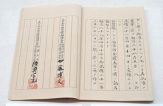
Treaty of Shimonoseki
Wikipedia
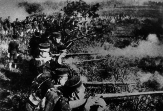
First Sino-Japanese War
Wikipedia
Qing Empire
Wikipedia
Fengtien
Wikipedia
Political divisions of China
Wikipedia

Pescadores Islands
Wikipedia
History of the administrative divisions of China
Wikipedia
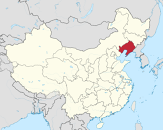
Fengtien
Wikipedia

Treaty of Shimonoseki
Wikipedia

First Sino-Japanese War
Wikipedia

Qing
Wikipedia

Liaoning
Wikipedia

Taiwan
Wikipedia

Penghu
Wikipedia

China
Wikipedia

Japan
Wikipedia

Korea
Wikipedia
Años 40 a. C.
Wikipedia

Longxi
Wikipedia

Dingxi
Wikipedia

Gansu
Wikipedia

Earthquake
Wikipedia
Richter scale
Wikipedia

Tiananmen Square
Wikipedia

Beijing
Wikipedia
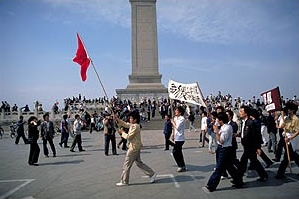
1989 Tiananmen Square protests and massacre
Wikipedia

Hu Yaobang
Wikipedia

Itō Hirobumi
Wikipedia

Geschichte Japans
Wikipedia
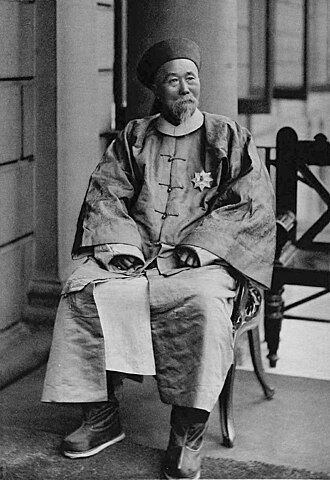
Li Hongzhang
Wikipedia
History of China
Wikipedia

Shimonoseki
Wikipedia
Unequal treaties
Wikipedia
China
Wikipedia
What Else Happened on April 17
Die historische Mondfinsternis vom 16./17. April wird in mehreren babylonischen Keilschriften dokumentiert. Sie ist für Herrscher-Datierungen in Persien und Ägy…
Vitellius claimed the Roman throne after his legions crushed Otho’s forces at the First Battle of Bedriacum. This victory ended the brief reign of the third emp…
después de la primera batalla de Bedriacum ―en Cremona (Italia)―, Vitelio se convierte en emperador romano.
Angehörige des westgotischen Adels stürzen König Tulga und erheben den 80-jährigen Chindaswinth zu dessen Nachfolger.
en Al-Ándalus (Córdoba) Al-Hakam I sube al poder como emir independiente.
A crown slipped off a dying king's head in 1080, but Harald III left behind a throne that felt like a trap for his nephew. Canute IV took over, not just to rule…
Talk to History
Have a conversation with historical figures who witnessed this era. Ask questions, explore perspectives, and bring history to life.