

Noah Webster Copyrights His Dictionary: English Gets Rules
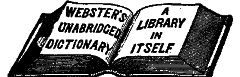
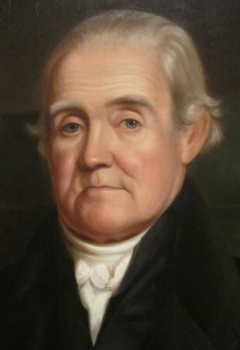
Noah Webster secures copyright for his new dictionary, allowing American English to stand on its own distinct footing rather than relying on British definitions. This legal victory established a unified national vocabulary that shaped how generations of Americans read, wrote, and thought about their own language.
April 14, 1828
198 years ago
Key Figures & Places
What Else Happened on April 14
Gaius Pansa's men didn't just win; they bled out in mud near Mutina, their commander dying of wounds hours after victory. The Senate cheered while Antony's legi…
Antony's cavalry smashed Pansa's line, leaving the consul dead in the mud at Forum Gallorum. But Hirtius arrived before the sun set, forcing a stalemate that co…
Vitellius's Rhine legions crushed Emperor Otho's forces at the Battle of Bedriacum in northern Italy, with Otho committing suicide rather than prolonging the ci…
le fils de l'empereur Vespasien Titus met le siège devant Jérusalem avec quatre légions.
Titus encircled Jerusalem with four Roman legions, beginning a five-month siege that would culminate in the destruction of the Second Temple. The fall of the ci…
en Masada, cerca de Jerusalén (Judea), los judíos defensores de la fortaleza cometen un suicidio colectivo para no entregarse a los romanos.
Talk to History
Have a conversation with historical figures who witnessed this era. Ask questions, explore perspectives, and bring history to life.