First Abolition Society Founded: America's Fight Against Slavery Begins
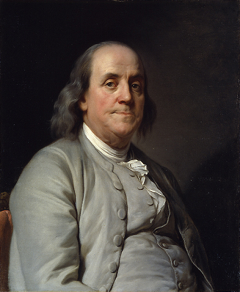
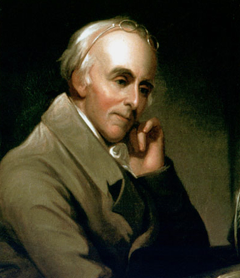
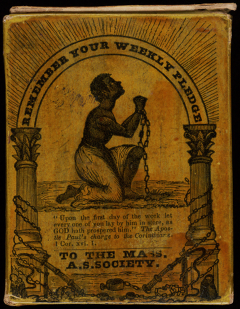
A group of Philadelphia Quakers formed the first abolition society in America on April 14, 1775, just five days before musket fire at Lexington and Concord launched the fight for American liberty. The Society for the Relief of Free Negroes Unlawfully Held in Bondage met at the Sun Tavern on Second Street, organized by seventeen men who recognized the hypocrisy of demanding freedom from Britain while holding human beings in chains. Their president was Israel Pemberton, a wealthy Quaker merchant. The Quaker antislavery tradition had been developing for a century. George Keith had published an antislavery tract as early as 1693. John Woolman and Anthony Benezet spent decades persuading Friends meetings to discipline slaveholding members. The Philadelphia Yearly Meeting formally prohibited its members from holding slaves in 1776. But the Society represented something new: an organized effort to use legal means to free enslaved people and protect free Black people from kidnapping and re-enslavement. The Revolutionary War interrupted the society's work, and it reconstituted in 1784 as the Pennsylvania Society for Promoting the Abolition of Slavery. Benjamin Franklin became its president in 1787, lending his enormous prestige to the cause. The reorganized society petitioned the new federal government to end the slave trade and provided legal representation to free Black people seized under fugitive slave provisions. It established schools for Black children and employment assistance programs. Similar societies formed in other Northern states during the 1780s and 1790s, and together they helped push through gradual emancipation laws in Pennsylvania (1780), Connecticut and Rhode Island (1784), New York (1799), and New Jersey (1804). The movement remained small, elite, and largely ineffective at challenging slavery in the South, where the institution was expanding rapidly through cotton cultivation. The more militant abolitionism of William Lloyd Garrison and Frederick Douglass would not emerge until the 1830s, but the Philadelphia Quakers who met at the Sun Tavern planted the organizational seed.
April 14, 1775
251 years ago
Key Figures & Places
What Else Happened on April 14
Gaius Pansa's men didn't just win; they bled out in mud near Mutina, their commander dying of wounds hours after victory. The Senate cheered while Antony's legi…
Antony's cavalry smashed Pansa's line, leaving the consul dead in the mud at Forum Gallorum. But Hirtius arrived before the sun set, forcing a stalemate that co…
Vitellius's Rhine legions crushed Emperor Otho's forces at the Battle of Bedriacum in northern Italy, with Otho committing suicide rather than prolonging the ci…
Titus, son of Emperor Vespasian, encircled Jerusalem with four Roman legions, beginning a five-month siege that culminated in the destruction of the Second Temp…
The Danubian legions declared Septimius Severus emperor, triggering a brutal civil war that dismantled the remnants of the Nerva-Antonine dynasty. By seizing th…
Mieszko I didn't just pick a new god; he picked a wife to save his kingdom. In 966, the Polish ruler wed Czech princess Dobrawa, trading his old pagan rituals f…
Talk to History
Have a conversation with historical figures who witnessed this era. Ask questions, explore perspectives, and bring history to life.