

League of Nations Holds First Meeting: World Peace, Take One
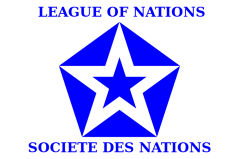
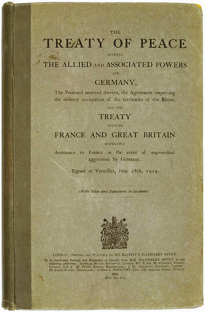
The League of Nations convenes for its inaugural session to ratify the Treaty of Versailles, formally ending World War I. This action establishes the first global intergovernmental organization dedicated to maintaining peace, though it immediately struggles with enforcement gaps that allow aggression to fester in the following decades.
January 10, 1920
106 years ago
Key Figures & Places
What Else Happened on January 10
Julius Caesar marched his Thirteenth Legion across the Rubicon, defying the Roman Senate’s direct order to disband his army. This breach of provincial boundarie…

The imperial throne wasn't just changing hands—it was being seized through cosmic theater. Wang Mang, a cunning court official, didn't just stage a coup; he cla…
Julius Caesar marched his Thirteenth Legion across the Rubicon, defying the Roman Senate’s direct order to disband his army. By crossing this boundary, he commi…
Emperor Galba adopted Lucius Calpurnius Piso Licinianus as his successor, hoping to stabilize a fractured Roman state through a formal transfer of power. Instea…
Fabian ascended to the papacy after a dove reportedly landed on his head during the election, an omen that convinced the gathered crowd of his divine selection.…
فتح مكة على أيدي المسلمين بقيادة النبي محمد.
Talk to History
Have a conversation with historical figures who witnessed this era. Ask questions, explore perspectives, and bring history to life.