

Edict of Nantes: France Grants Religious Freedom to Protestants
Henry IV of France signed the Edict of Nantes to end decades of brutal civil war by granting Huguenots full religious freedom and political rights. This compromise stabilized the kingdom for nearly a century, though Louis XIV later revoked the edict in 1685, triggering a massive exodus that drained France of skilled artisans and strengthened its rivals.
April 13, 1598
428 years ago
Key Figures & Places

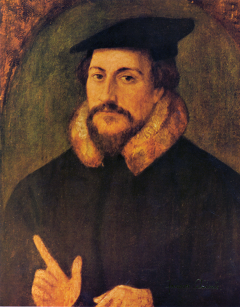

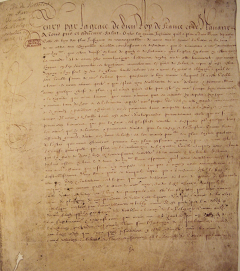

What Else Happened on April 13
Nach dem Tod von Thutmosis II. aus der 18. Dynastie wird sein dreijähriger Sohn Thutmosis III. am 4. Pachon des Ägyptischen Kalenders zum Pharao des Alten Ägypt…
Höhepunkt einer Christenverfolgung im Sassanidenreich: An diesem Karfreitag werden bis zu 1000 Personen hingerichtet, darunter Simon bar Sabbae.
bulle du pape Nicolas II réservant le droit d'élire le pape aux seuls cardinaux.
Bishop Otto of Bamberg refused to hand over the imperial regalia until Henry V promised to stop appointing bishops without papal consent. For three days, the em…

Saladin routed the Zengid forces at the Battle of the Horns of Hama, consolidating his control over Syria from Damascus to the Euphrates with only Aleppo remain…
Kaiser Friedrich I. verteilt beim Hoftag in Gelnhausen die Besitzungen des geächteten Heinrich des Löwen. Das Herzogtum Westfalen-Engern geht an den Kölner Erzb…
Talk to History
Have a conversation with historical figures who witnessed this era. Ask questions, explore perspectives, and bring history to life.