

Halifax Resolves: North Carolina First to Call for Independence
The North Carolina Provincial Congress passed the Halifax Resolves, becoming the first colony to formally authorize its delegates to vote for independence from Britain. This bold act preceded the Declaration of Independence by nearly three months, giving other wavering colonies the political cover to follow suit.
April 12, 1776
250 years ago
Key Figures & Places
Kingdom of Great Britain
Wikipedia
American Revolution
Wikipedia
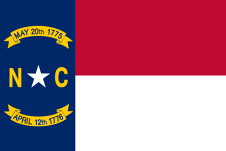
Halifax Resolves
Wikipedia

North Carolina Provincial Congress
Wikipedia
Second Continental Congress
Wikipedia

American Revolution
Wikipedia

Halifax Resolves
Wikipedia

North Carolina Provincial Congress
Wikipedia

Second Continental Congress
Wikipedia

Royal Navy
Wikipedia

George Rodney, 1st Baron Rodney
Wikipedia

Battle of the Saintes
Wikipedia

Dominica
Wikipedia
What Else Happened on April 12
en el norte de África, Capelia (gobernador de la provincia romana de África, leal al emperador Maximino Tracio) derrota y asesina al emperador Gordiano II en la…
A Numidian legion turned its spears against Rome's own governors, slaughtering Gordian II in the streets of Carthage. His father, Gordian I, couldn't bear the n…
He stepped onto the throne at Ctesiphon not with a whisper, but with a roar that shook the Persian Gulf coast. Shapur I didn't just inherit a crown; he inherite…
Shapur I ascended to the Sasanian throne as co-emperor alongside his father, Ardashir I, consolidating power within the young dynasty. This transition ensured a…
The Eastern Emperor sent a warship loaded with gold to Rome, not peace. Anthemius accepted this bribe and climbed into a crumbling throne he could barely afford…
King Edwin of Northumbria accepted baptism from Bishop Paulinus on Easter Sunday, officially aligning his powerful Anglo-Saxon kingdom with the Roman Church. Th…
Talk to History
Have a conversation with historical figures who witnessed this era. Ask questions, explore perspectives, and bring history to life.