Spain Cedes Puerto Rico: U.S. Expansion in the Caribbean
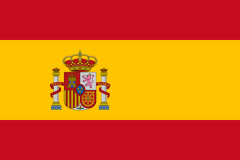
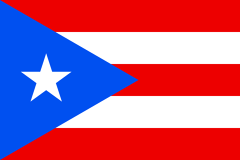
The Spanish flag came down over San Juan for the last time on April 11, 1899, ending four centuries of colonial rule and delivering Puerto Rico into American hands. The formal cession, mandated by the Treaty of Paris signed on December 10, 1898, transferred sovereignty over the island as part of Spain's settlement for losing the Spanish-American War. The United States paid Spain twenty million dollars for the Philippines but took Puerto Rico and Guam without compensation. Spain had controlled Puerto Rico since Juan Ponce de Leon established a colonial settlement in 1508. The island had spent nearly four hundred years as a Spanish possession, developing a distinct Creole culture that blended Spanish, African, and indigenous Taino elements. In 1897, Spain had actually granted Puerto Rico an autonomous charter, and the island's first home-rule government had been functioning for only a few months when American troops invaded during the war. Major General John Brooke established a U.S. military government immediately after the transfer. Puerto Ricans had no representation in the negotiations that decided their fate. The Foraker Act of 1900 created a civil government but denied the island's residents U.S. citizenship, a status not rectified until the Jones Act of 1917. Even then, Puerto Ricans received citizenship without full congressional representation or presidential voting rights. The acquisition reflected America's emergence as an imperial power at the turn of the twentieth century. Puerto Rico provided a strategic naval position in the Caribbean and a coaling station for ships transiting to the newly acquired Panama Canal Zone. More than 125 years later, the island's political status remains unresolved, with its 3.2 million American citizens still debating whether statehood, independence, or continued territorial status best serves their future.
April 11, 1899
127 years ago
Key Figures & Places

What Else Happened on April 11
She handed him a crown he'd never asked for, then demanded he count every coin in the treasury before accepting. Anastasius didn't just inherit a throne; he inh…
King Bolesław II of Poland ordered the execution of Bishop Stanislaus of Kraków after a bitter dispute over land and the monarch's moral conduct. This act of vi…
Batu Khan’s Mongol forces crushed King Béla IV’s army at the Battle of Muhi, shattering the Hungarian military and leaving the kingdom defenseless against a bru…
Gaston de Foix led a Franco-Ferrarese army to a bloody victory over Papal-Spanish forces at Ravenna, the deadliest battle in Europe since antiquity, with over 1…
Gaston de Foix crushed the Spanish and Papal armies at the Battle of Ravenna, utilizing mobile field artillery to shatter enemy infantry formations. While the F…
They dug into the mud near Ceresole and didn't stop until the Spanish pikes shattered. Francis I's troops crushed 12,000 men, leaving a mountain of dead that sm…
Talk to History
Have a conversation with historical figures who witnessed this era. Ask questions, explore perspectives, and bring history to life.