

Big Ben Cast at 14.5 Tonnes: The Bell Cracks, Gets Recast Smaller
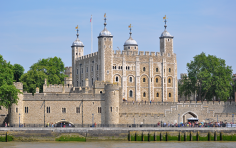
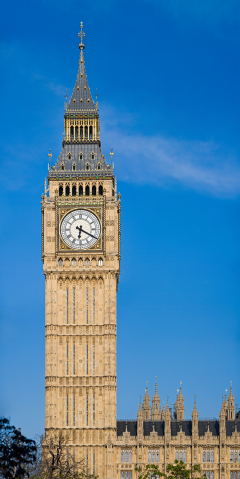
Warner's foundry cast a massive 14.5-tonne bell for the Tower of London, only to watch it shatter during testing. Whitechapel Bell Foundry recast the metal into a lighter 13.76-tonne version that now chimes as Big Ben over a century later.
April 10, 1858
168 years ago
Key Figures & Places
What Else Happened on April 10
He arrived in Constantinople with a head full of Greek philosophy and zero patience for compromise. Within months, he was preaching that Mary was merely the mot…

Halley's Comet swept within 5.1 million kilometers of Earth, its closest recorded approach, blazing across the sky with a tail visible to the naked eye for week…
Leo IV. wird als Nachfolger des im Januar verstorbenen Sergius II. zum Papst gewählt.
Louis III and Carloman II ascended the throne as joint kings of the Western Franks, inheriting a fractured realm following the death of their father, Louis the …
J. Sterling Morton convinced his fellow Nebraskans to plant over a million trees on this day, transforming the state’s treeless, wind-swept plains. This grassro…
He arrived with twelve thousand disciples, marching through Nanjing's dust to meet an emperor who wanted peace more than war. Deshin Shekpa didn't just preach; …
Talk to History
Have a conversation with historical figures who witnessed this era. Ask questions, explore perspectives, and bring history to life.