

Statute of Anne: World's First Copyright Law
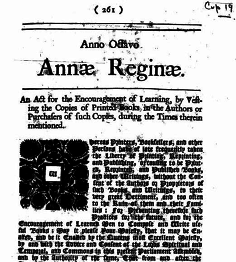
The Statute of Anne shattered the Stationers' Company monopoly by granting authors exclusive control over their printed works for fourteen years, requiring booksellers to negotiate directly with creators rather than relying on guild privileges. This shift established a legal framework where copyright expires into the public domain, ensuring that knowledge eventually becomes freely accessible to everyone instead of remaining locked behind perpetual private ownership.
April 10, 1710
316 years ago
Key Figures & Places

What Else Happened on April 10
He arrived in Constantinople with a head full of Greek philosophy and zero patience for compromise. Within months, he was preaching that Mary was merely the mot…

Halley's Comet swept within 5.1 million kilometers of Earth, its closest recorded approach, blazing across the sky with a tail visible to the naked eye for week…
Leo IV. wird als Nachfolger des im Januar verstorbenen Sergius II. zum Papst gewählt.
Louis III and Carloman II ascended the throne as joint kings of the Western Franks, inheriting a fractured realm following the death of their father, Louis the …
J. Sterling Morton convinced his fellow Nebraskans to plant over a million trees on this day, transforming the state’s treeless, wind-swept plains. This grassro…
He arrived with twelve thousand disciples, marching through Nanjing's dust to meet an emperor who wanted peace more than war. Deshin Shekpa didn't just preach; …
Talk to History
Have a conversation with historical figures who witnessed this era. Ask questions, explore perspectives, and bring history to life.