

Lee Surrenders at Appomattox: The Civil War Is Over
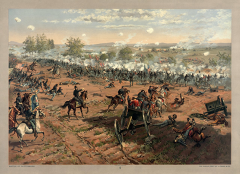
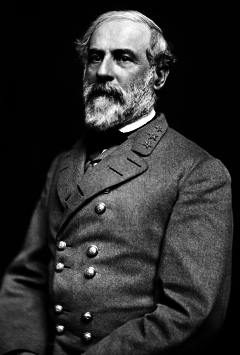
Robert E. Lee accepted the desperate measure of arming enslaved people with a promise of emancipation just days before his army collapsed at Appomattox. By refusing to launch a guerrilla campaign after surrendering, he forced an immediate end to hostilities and championed sectional reconciliation over continued bloodshed. His subsequent Farewell Address explicitly declared slavery abolished for the South's own good, shaping the post-war landscape of the defeated states.
April 9, 1865
161 years ago
Key Figures & Places


What Else Happened on April 9
Antiochia am Orontes wird durch ein Erdbeben zerstört.
Dong Zhuo met le feu à Luoyang dans le cadre de la campagne menée contre lui.
A legion in Illyricum shouted "Severus Augustus!" before anyone else knew the old emperor was dead. They didn't wait for the Senate; they grabbed a sword and cl…
Sixteen legions marched out of Illyricum, not to defend the frontier, but to burn down the old guard. While Commodus lay dead in Rome, Severus's soldiers realiz…
He handed out a letter promising peace by erasing the word "two natures." Emperor Basiliscus, backed by his wife and the powerful Patriarch Peter the Fuller, de…
1,600 cavalrymen arrived, mostly Huns and Slavs with bows that could punch through Gothic armor. Belisarius didn't wait for supplies to fill his bellies; he str…
Talk to History
Have a conversation with historical figures who witnessed this era. Ask questions, explore perspectives, and bring history to life.