

Tragedy Over Saigon: Operation Baby Lift Crashes
A U.S. Air Force C-5A Galaxy, the largest aircraft in the American fleet, crashed into a rice paddy two miles from Saigon's Tan Son Nhut airport on April 4, 1975, twelve minutes after takeoff. The plane was carrying over 300 passengers, most of them Vietnamese orphans being evacuated as part of Operation Babylift. The rear cargo doors had blown out at approximately 23,000 feet, severing hydraulic lines and control cables. The pilot, Captain Dennis Traynor, managed to turn back toward the airport but could not maintain altitude. One hundred and seventy-eight people died, including 78 children. Operation Babylift was conceived in the final desperate weeks of the Vietnam War. North Vietnamese forces were advancing rapidly toward Saigon, and the South Vietnamese government was collapsing. President Gerald Ford authorized the evacuation of orphans on April 2, responding to pressure from adoption agencies, media coverage of the children, and a desire to generate positive coverage as the war ended in American defeat. The first flight was the C-5A that crashed. The aircraft's failure was traced to a design flaw. The rear cargo doors on the C-5A were secured by latches that had a history of problems. Lockheed, the manufacturer, had issued technical orders about the latching mechanism, but the specific failure mode that occurred on April 4 had not been anticipated. When the doors blew, the explosive decompression destroyed the lower cargo compartment where many of the children and adult escorts were seated. Some passengers were sucked out of the aircraft. Despite the disaster, Operation Babylift continued. Over the next month, approximately 3,300 children were evacuated on military and civilian aircraft. Many were adopted by American and European families. The operation remained controversial. Critics argued that some of the children were not actually orphans and had been separated from living parents. Vietnamese cultural norms around extended family care meant that children in orphanages often had relatives who could have raised them. Several lawsuits were filed, and a class-action case reached the U.S. courts. The crash was the deadliest aviation disaster of the entire Vietnam War and the single largest loss of life in C-5 history.
April 4, 1975
51 years ago
Key Figures & Places

South Vietnam
Wikipedia
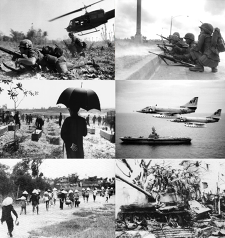
Vietnam War
Wikipedia
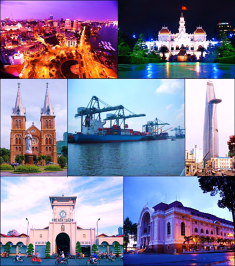
Saigon
Wikipedia
United States Air Force
Wikipedia
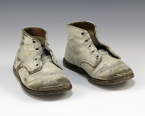
Operation Baby Lift
Wikipedia
C-5 Galaxy
Wikipedia
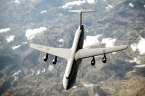
Lockheed C-5A Galaxy
Wikipedia

Vietnam War
Wikipedia

Lockheed C-5 Galaxy
Wikipedia

Operation Babylift
Wikipedia

1975 Tan Son Nhut Lockheed C-5 crash
Wikipedia

Ho Chi Minh City
Wikipedia

South Vietnam
Wikipedia

United States Air Force
Wikipedia
What Else Happened on April 4
A laurel wreath that smelled of wet earth and crushed olive leaves. Agrippa Menenius Lanatus marched through Rome in 503 BC, not for grand strategy, but because…
A drone spotted a Russian convoy in a ravine just as dawn broke over Chasiv Yar. But the soldiers inside didn't see the trap closing; they only saw the mud and …
Fire roared through Luoyang's palaces, turning marble to dust. Dong Zhuo dragged the emperor east while his men burned every library and temple for weeks. Thous…
King Uneh Chan of Calakmul shattered the defenses of Palenque, launching a devastating assault that crippled the rival city-state’s political stability. This br…
Pulakeshin II didn't just win; he carved his victory into stone across a thousand miles of India's heartland in 619. Two kings stood on opposite banks of the Na…
King Louis the Pious seized Barcelona from the Moors after a grueling months-long siege, securing the Frankish Empire’s southern frontier. This victory establis…
Talk to History
Have a conversation with historical figures who witnessed this era. Ask questions, explore perspectives, and bring history to life.