

MLK Delivers I've Been to the Mountaintop: His Last Speech
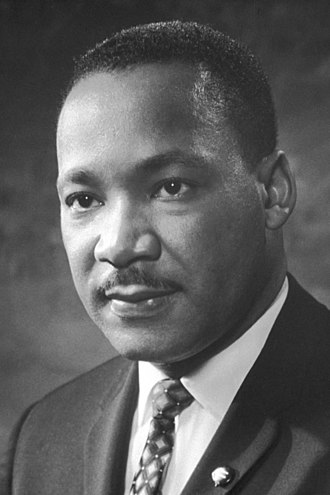
Martin Luther King Jr. delivered his final "I've Been to the Mountaintop" speech in Memphis, predicting his own death while rallying support for striking sanitation workers. This address galvanized the movement's resolve just hours before his assassination, sealing his legacy as a martyr who forced the nation to confront racial injustice with renewed urgency.
April 3, 1968
58 years ago
Key Figures & Places


What Else Happened on April 3
sucede el eclipse lunar (saros 37).
Roman consul Publius Postumius Tubertus marched his legions against the Sabines and won a decisive enough victory to earn an ovation, a lesser triumph recorded …
Sonnenfinsternis im südlichen Gallien und der Toskana
Der römische Kaiser Augustus schließt sein Testament ab und fügt den Rechenschaftsbericht Res gestae divi Augusti für gewünschte Inschriften bei.
He didn't just take a crown; he grabbed Calakmul's fate by the throat in 686. Yuknoom Yich'aak K'ahk' stepped onto the throne while rival Tikal burned, sparking…
He arrived at Westminster Abbey with only one thing left: his crown. Edward, known for his piety and poverty, didn't just sit on a throne; he sat among men who'…
Talk to History
Have a conversation with historical figures who witnessed this era. Ask questions, explore perspectives, and bring history to life.