

April Fools Day: The Tradition Nobody Can Explain
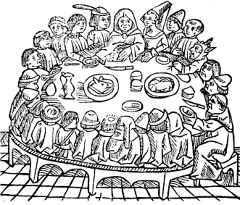
Chaucer's "Nun's Priest's Tale" accidentally birthed a global prank tradition when scribes misread his May date as April 32nd, turning a specific historical anniversary into a day for harmless trickery. This clerical error spread through centuries of literature and culminated in the 1698 Tower of London hoax, where gullible crowds flocked to watch lions being washed on what became known as Fool's Holy Day.
April 1, 1392
634 years ago
Key Figures & Places

What Else Happened on April 1
He handed over half an empire to his friend Maximian, splitting Rome's control between East and West in 286. That wasn't just a new boss; it was a desperate gam…
l'empereur romain Dioclétien élève son général Maximien à la dignité d'Auguste, faisant ainsi de lui un co-empereur et lui donnant le contrôle des régions occid…

A four-year-old named Jin Chengdi sat on a throne that felt too big, his small hands gripping wood while eunuchs whispered in his ear. His father, Mingdi, had d…
Soldiers dragged Majorian from the mud of Placentia and shouted his name until the sun set. He wasn't a senator or a general's son; he was just a common soldier…
Nach seiner erfolgreichen Rebellion gegen Kaiser Avitus wird Flavius Iulius Valerius Maiorianus Kaiser Westroms. Der Heermeister Ricimer, der die Rebellion unte…
Justinian I ascended to co-emperor alongside his uncle, Justin I, securing a transition that consolidated imperial power in Constantinople. This partnership all…
Talk to History
Have a conversation with historical figures who witnessed this era. Ask questions, explore perspectives, and bring history to life.