

Dalai Lama Crosses Into India: Asylum Granted
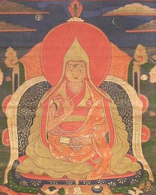
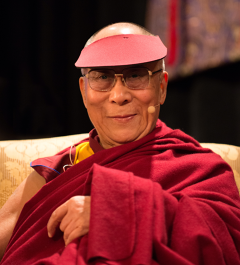
The 14th Dalai Lama crossed the Himalayan border into India on March 31, 1959, disguised as a soldier and traveling by night to evade Chinese patrols. His escape from Tibet came two weeks after a failed uprising in Lhasa that had killed thousands of Tibetans and convinced the 23-year-old spiritual leader that remaining would mean either imprisonment or death. India granted him political asylum, and he has not returned to Tibet since. China had occupied Tibet in 1950, and the Dalai Lama had spent nine years attempting to coexist with Chinese authority. He traveled to Beijing in 1954, met Mao Zedong, and attempted to negotiate autonomy for Tibet within the People's Republic. Mao reportedly told him that "religion is poison," and Chinese policies increasingly dismantled Tibetan monasteries, imposed land reform, and suppressed traditional governance. The Lhasa uprising erupted on March 10, 1959, when tens of thousands of Tibetans surrounded the Dalai Lama's summer palace, Norbulingka, fearing that the Chinese planned to abduct him. The crowd refused to disperse, and Chinese troops responded with artillery. Estimates of Tibetan casualties range from 2,000 to 10,000 in Lhasa alone. On March 17, the Dalai Lama left the palace disguised in civilian clothes, beginning a two-week journey through mountain passes at altitudes above 19,000 feet. He established a government-in-exile in Dharamsala, India, which remains the center of Tibetan exile politics. The Dalai Lama won the Nobel Peace Prize in 1989 for his nonviolent advocacy for Tibetan autonomy. China considers him a separatist and has refused all negotiations since 2010. The Tibetan diaspora numbers over 150,000, and the question of who will succeed the Dalai Lama has become a geopolitical flashpoint, with China claiming the right to choose his reincarnation.
March 31, 1959
67 years ago
Key Figures & Places


What Else Happened on March 31

Constantine divorced his first wife Minervina and married Fausta, the teenage daughter of retired Emperor Maximian, in a match that was pure political arithmeti…

The defenders dug a trench so wide that Meccan cavalry couldn't cross it—a Persian military tactic never before seen in Arabian warfare. Salman al-Farisi, a for…

Bernard of Clairvaux ran out of crosses. He had prepared cloth ones to pin on the tunics of volunteers, but so many men rushed forward at Vézelay on March 31, 1…

The poet wrote verses praising Saladin's rule by day, then plotted to overthrow him by night. Umara al-Yamani, celebrated across Cairo for his eloquence, joined…

Queen Isabella and King Ferdinand gave Spain's Jews four months to convert or leave everything behind. The Alhambra Decree, signed on March 31, 1492, ordered th…

The expulsion order gave Spain's Jews exactly four months to abandon homes their families had occupied for over a millennium. Ferdinand and Isabella signed the …
Talk to History
Have a conversation with historical figures who witnessed this era. Ask questions, explore perspectives, and bring history to life.