

Perry Signs Treaty of Kanagawa: Japan Forced Open After 200 Years
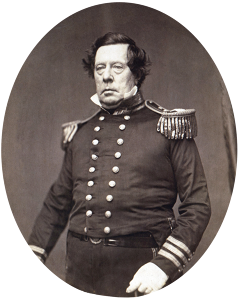
Commodore Matthew Perry forces Japan to open its ports at Shimoda and Hakodate to American trade through the Treaty of Kanagawa. This agreement shatters centuries of isolationist policy, launching a rapid modernization that transforms Japan into a global power within decades.
March 31, 1854
172 years ago
Key Figures & Places
United States
Wikipedia
Japan
Wikipedia
government
Wikipedia
Matthew Perry (naval officer)
Wikipedia
Commodore (USN)
Wikipedia
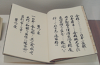
Treaty of Kanagawa
Wikipedia
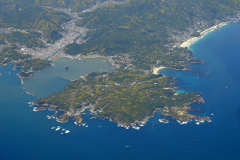
Shimoda, Shizuoka
Wikipedia
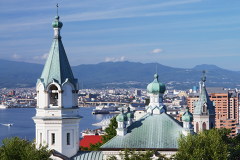
Hakodate
Wikipedia
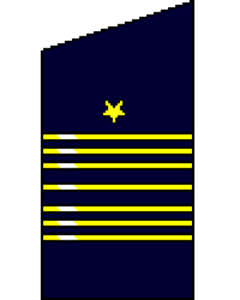
Commodore
Wikipedia
Commodore (United States)
Wikipedia
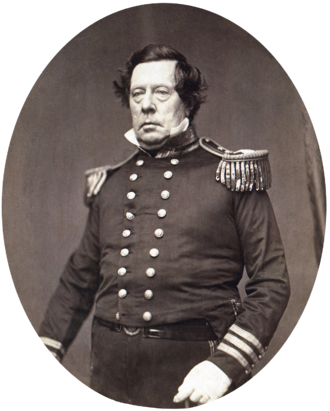
Matthew C. Perry
Wikipedia

Convention of Kanagawa
Wikipedia

Tokugawa shogunate
Wikipedia

Shimoda, Shizuoka
Wikipedia

Hakodate
Wikipedia

Navires noirs
Wikipedia
Shogun
Wikipedia

History of the United States
Wikipedia

Époque d'Edo
Wikipedia

Geschichte Japans
Wikipedia

Japan
Wikipedia

United States
Wikipedia
What Else Happened on March 31
le manichéisme prôné par l'empire perse est condamné comme anti-romain par un édit de l'empereur romain Dioclétien.
Constantine divorced his first wife and married his stepmother's sister — all to secure a military alliance he'd betray within five years. Fausta was sixteen, d…
Início da Batalha da Trincheira, o cerco a Medina por parte dos inimigos de Maomé.
The defenders dug a trench so wide that Meccan cavalry couldn't cross it—a Persian military tactic never before seen in Arabian warfare. Salman al-Farisi, a for…
Der am 24. März als Gegenpapst inthronisierte Clemens III. krönt Heinrich IV. und dessen Frau Bertha zu Kaiser und Kaiserin des Heiligen Römischen Reichs.

Bernard ran out of crosses. He'd prepared cloth ones to pin on volunteers, but so many rushed forward at Vézelay that he tore his own white Cistercian robe into…
Talk to History
Have a conversation with historical figures who witnessed this era. Ask questions, explore perspectives, and bring history to life.