

Alaska Purchased for $7.2M: America's Northern Expansion
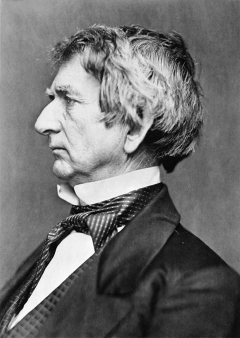
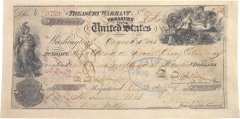
William Seward paid two cents per acre, and the entire country laughed at him. On March 30, 1867, Secretary of State Seward signed the treaty to purchase Alaska from Russia for $7.2 million, a transaction immediately ridiculed as "Seward's Folly" and "Andrew Johnson's Polar Bear Garden." Critics saw nothing but ice, tundra, and a vast emptiness that would drain the federal treasury. They were spectacularly wrong. Russia was eager to sell. The Russian-American Company, which had managed Alaska since the late 18th century, was losing money, and Tsar Alexander II feared that Britain might seize the territory during a future conflict, gaining nothing for Russia. Seward, a committed expansionist who had survived a knife attack during the Lincoln assassination conspiracy, had been trying to purchase Alaska for years. When the Russian minister approached him on a Friday evening in March, Seward dragged his staff to the State Department at midnight to draft the treaty before Russia could change its mind. The Senate ratified the purchase by a vote of 37 to 2, but the House of Representatives delayed the appropriation for over a year. Public opinion was hostile. Alaska's value was invisible: the territory's 586,412 square miles contained no known gold, oil, or minerals accessible with 1867 technology. The formal transfer ceremony took place in Sitka on October 18, 1867, when the Russian flag was lowered for the last time. Gold was discovered in the Klondike in 1896, and the subsequent rush brought over 100,000 prospectors north. Oil was struck at Prudhoe Bay in 1968, and Alaska now produces roughly half a million barrels per day. The state's fisheries generate billions in annual revenue. Seward's $7.2 million investment, adjusted for inflation, would amount to roughly $150 million today, making it perhaps the greatest real estate bargain in American history after the Louisiana Purchase.
March 30, 1867
159 years ago
Key Figures & Places


What Else Happened on March 30
Chinese astronomers spotted it first—a "broom star" sweeping across their sky in 240 BC. They didn't know they were tracking the same cosmic visitor that would …

The plague did what Byzantine walls couldn't. Bayan I's Avaro-Slavic army surrounded Tomis on the Black Sea coast, ready to crack open another imperial strongho…

The church bells rang for evening prayer, and the slaughter began. A French soldier harassed a Sicilian woman outside the Church of the Holy Spirit in Palermo o…
Edward I unleashed his army on Berwick-upon-Tweed, slaughtering thousands of residents and erasing the town’s status as a thriving international trading port. T…
Guru Gobind Singh transformed the Sikh community by establishing the Khalsa at Anandpur Sahib, initiating followers into a disciplined order committed to defend…
Sixth Coalition troops breached the gates of Paris, forcing the city to surrender after a brutal day of fighting. This collapse shattered Napoleon’s grip on pow…
Talk to History
Have a conversation with historical figures who witnessed this era. Ask questions, explore perspectives, and bring history to life.