

Calley Convicted for My Lai: America Confronts Its War Crimes
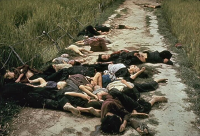
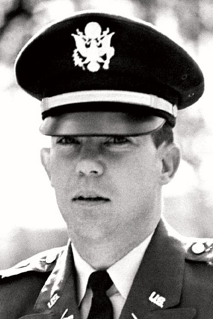
The jury deliberated for 79 hours, longer than the massacre itself had taken. On March 29, 1971, Lieutenant William Calley was convicted of personally murdering 22 unarmed Vietnamese civilians at the village of My Lai on March 16, 1968. He was the only American soldier convicted for a massacre that killed between 347 and 504 men, women, children, and infants, the worst documented atrocity committed by U.S. forces during the Vietnam War. Charlie Company of the Americal Division entered My Lai expecting to find Viet Cong fighters. They found unarmed villagers eating breakfast. Over four hours, soldiers shot civilians in ditches, raped women, burned homes, and killed livestock. Calley personally herded dozens of villagers into an irrigation ditch and ordered his men to open fire. Warrant Officer Hugh Thompson, a helicopter pilot observing from above, landed his aircraft between the soldiers and surviving villagers and threatened to open fire on his own troops if the killing continued. The Army initially reported the operation as a successful engagement with enemy forces, claiming 128 Viet Cong killed. The cover-up held for more than a year until journalist Seymour Hersh broke the story in November 1969, based on a tip from a Vietnam veteran named Ronald Ridenhour who had written letters to Congress and the Pentagon demanding an investigation. The revelation shocked the American public and intensified opposition to the war. Calley was sentenced to life imprisonment but served only three and a half years under house arrest after President Nixon intervened, ordering him transferred from prison to his apartment at Fort Benning. Of the 26 soldiers charged, all were acquitted or had their charges dropped except Calley. The My Lai massacre became shorthand for the moral cost of the Vietnam War and raised questions about command responsibility that the military justice system never fully answered.
March 29, 1971
55 years ago
Key Figures & Places


What Else Happened on March 29

A barbarian king did what Rome couldn't: made conquerors and conquered equal under law. Gundobad's Lex Burgundionum at Lyon didn't just allow Gallo-Romans to ke…

Ottoman forces under Sultan Murad II stormed the walls of Thessalonica on March 29, 1430, overwhelming the Venetian garrison and the remaining Byzantine defende…

Edward of York destroyed Queen Margaret's Lancastrian army at Towton on March 29, 1461, in a snowstorm that became the bloodiest battle ever fought on English s…

His father was the Pope, and that was not even the scandalous part. Rodrigo Borgia, Pope Alexander VI, handed his illegitimate son Cesare the highest military c…

The Portuguese built Brazil's first capital on a cliff 279 feet above the harbor specifically so that goods, particularly sugar, would have to be hauled up the …

England handed Quebec back to France for the price of a peace treaty. The Treaty of Saint-Germain-en-Laye, signed on March 29, 1632, restored New France to Fren…
Talk to History
Have a conversation with historical figures who witnessed this era. Ask questions, explore perspectives, and bring history to life.