

Constantinople and Angora change their names to Istanbul and Ankara.
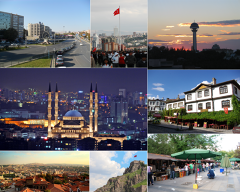
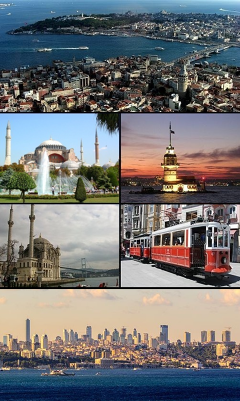
The renaming was not ceremonial. On March 28, 1930, the Turkish government informed international postal and telegraph services that Constantinople was now Istanbul and Angora was now Ankara, threatening to return any mail addressed to the old names. The decree formalized what had been common Turkish usage for centuries but forced the rest of the world to acknowledge that the Ottoman Empire was truly gone and a modern, secular nation-state had replaced it. Mustafa Kemal Ataturk had been dismantling the Ottoman past since founding the Turkish Republic in 1923. He abolished the sultanate, then the caliphate. He replaced Arabic script with Latin letters, banned the fez, adopted the Gregorian calendar, and gave women the right to vote. Renaming the cities was part of this systematic effort to create a Turkish national identity distinct from the multicultural, multilingual Ottoman world. "Istanbul" derived from the medieval Greek phrase "eis tin polin," meaning "to the city," a colloquial name that Turks had used alongside "Konstantiniyye" for centuries. "Ankara" replaced the Western form "Angora," which Europeans associated with the city's famous goat wool. Ataturk had deliberately moved the capital from cosmopolitan Constantinople to the smaller Anatolian city to signal that the new Turkey would be rooted in its Asian heartland rather than oriented toward Europe. The international community adapted slowly. The New York Times continued using "Constantinople" in headlines into the mid-1930s. Maps and atlases took years to update. But the name change stuck, and Istanbul's identity gradually shifted from an imperial capital that had served Romans, Byzantines, and Ottomans into a modern metropolis that anchored Turkey's 20th-century transformation from caliphate to secular republic.
March 28, 1930
96 years ago
Key Figures & Places
What Else Happened on March 28
The Roman Senate formally invested Caligula with the full powers of the Principate following the death of Tiberius, consolidating absolute authority in the hand…

The Roman throne went to the highest bidder. After murdering Emperor Pertinax in March 193 AD, the Praetorian Guard, the elite unit theoretically responsible fo…

The Praetorian Guards literally auctioned the Roman Empire to the highest bidder. After murdering Emperor Pertinax in March 193 CE, they stood on their camp wal…
Emperor Valentinian I elevated his brother Valens to co-emperor at Constantinople, formally dividing the Roman Empire into western and eastern halves to address…

Charles the Bald paid 7,000 pounds of silver to make the Vikings go away, and in doing so, he advertised a business model that would terrorize Europe for the ne…

Seven thousand German pilgrims, starving and dying of thirst after three days of Bedouin raids near Caesarea, watched a Muslim army approach across the desert. …
Talk to History
Have a conversation with historical figures who witnessed this era. Ask questions, explore perspectives, and bring history to life.