

Triangle Shirtwaist Fire: 146 Workers Die, Labor Laws Follow
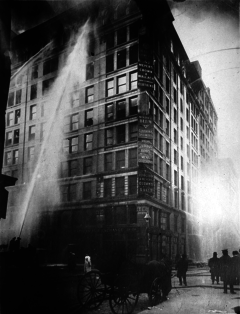
The factory owners locked the exit doors from the outside to prevent workers from stealing fabric scraps worth pennies. When fire broke out on the eighth floor of the Asch Building, 146 garment workers—mostly Jewish and Italian immigrant women—couldn't escape. They burned alive or jumped nine stories to the pavement while horrified crowds watched below. The fire nets couldn't hold them. Bodies hit the sidewalk with such force that they broke through the concrete. Within eighteen months, New York passed 36 new labor laws, the most sweeping worker protections in American history. The owners? Acquitted of manslaughter, fined twenty dollars for the locked doors.
March 25, 1911
115 years ago
Key Figures & Places
What Else Happened on March 25
Liu Yu didn't just conquer Guanggu — he executed every member of the Southern Yan royal family he could find. The 410 siege was personal: Murong De's dynasty ha…
The refugees weren't building a temporary shelter — they were hammering wooden pilings into a malarial swamp. Attila the Hun's armies had driven them from the m…
Refugees fleeing barbarian invasions established Venice at high noon, seeking safety among the shifting mudflats of the Venetian Lagoon. By choosing this isolat…
Pope Constantine ascended to the papacy, inheriting a church deeply embroiled in the Monothelite controversy. His subsequent journey to Constantinople to meet E…
The pope walked 1,400 miles to meet an emperor who'd been mutilating his predecessors. Constantine became the 88th pope in 708, then did something no pontiff wo…
He didn't want to be emperor in the first place. Tax collectors in 715 had dragged Theodosios III from his minor bureaucratic post and forced the purple robes o…
Talk to History
Have a conversation with historical figures who witnessed this era. Ask questions, explore perspectives, and bring history to life.