

Mussolini Founds the Fascist Movement in Milan: A New Evil Begins
Benito Mussolini launches the Fascist movement in Milan, transforming a fringe group into a powerful force that soon topples Italian democracy and reshapes global geopolitics. This radical organization establishes the blueprint for totalitarian rule, inspiring similar regimes across Europe and setting the stage for World War II.
March 23, 1919
107 years ago
Key Figures & Places
Italy
Wikipedia
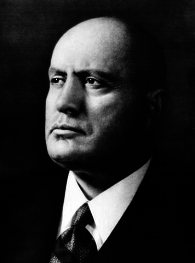
Benito Mussolini
Wikipedia
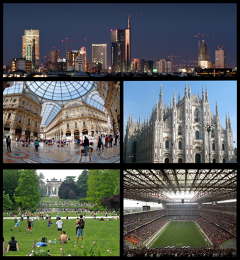
Milan
Wikipedia
Fascism
Wikipedia
Fascist
Wikipedia

Milan
Wikipedia

Benito Mussolini
Wikipedia
Italian fascism
Wikipedia

Italy
Wikipedia

Fasces Italianos de Combate
Wikipedia

National Fascist Party
Wikipedia

Fascism
Wikipedia

Roberto Farinacci
Wikipedia

Milicia Voluntaria para la Seguridad Nacional
Wikipedia

Geschichte Italiens
Wikipedia
What Else Happened on March 23
Muhammad's archers abandoned their posts to collect battlefield spoils, and that single decision cost the Muslims their certain victory at Uhud. The Prophet had…
le capitulaire Admonitio generalis de Charlemagne fixe les premières grandes lignes directrices de la réforme carolingienne qui entend réglementer tous les comp…
Heinrich Zdik tritt nach dem Tod von Johannes II. das Amt des Bischofs von Olmütz an.
Friedrich Barbarossa beeidet den Vertrag von Konstanz, in welchem die mit Papst Eugen III. ausgehandelten Bedingungen für seine Kaiserkrönung festgelegt sind.
Jocelin of Melrose ascended to the bishopric of Glasgow, initiating a massive expansion of the city's cathedral and the surrounding settlement. By securing a ro…
début du pontificat de Martin IV (jusqu'en 1285). Simon de Brion est élu sous la pression de Charles Ier d'Anjou : il sera l’homme du parti français.
Talk to History
Have a conversation with historical figures who witnessed this era. Ask questions, explore perspectives, and bring history to life.