

Lewis and Clark Head Home: The Expedition Turns East
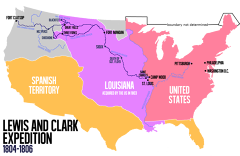
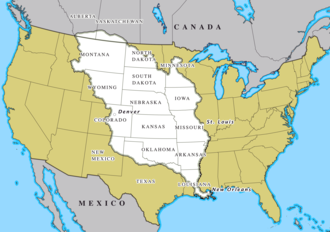
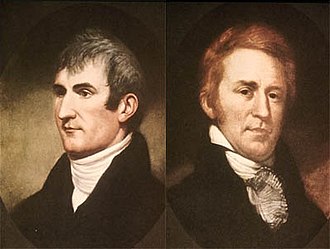
Lewis and Clark turn their Corps of Discovery toward home after conquering the western expanse of the Louisiana Purchase and touching the Pacific shores. This reversal of direction secured American claims to the Oregon Country and mapped a viable overland route that would fuel westward expansion for decades.
March 23, 1806
220 years ago
Key Figures & Places



What Else Happened on March 23
Muhammad's archers abandoned their posts to collect battlefield spoils, and that single decision cost the Muslims their certain victory at Uhud. The Prophet had…
le capitulaire Admonitio generalis de Charlemagne fixe les premières grandes lignes directrices de la réforme carolingienne qui entend réglementer tous les comp…
Heinrich Zdik tritt nach dem Tod von Johannes II. das Amt des Bischofs von Olmütz an.
Friedrich Barbarossa beeidet den Vertrag von Konstanz, in welchem die mit Papst Eugen III. ausgehandelten Bedingungen für seine Kaiserkrönung festgelegt sind.
Jocelin of Melrose ascended to the bishopric of Glasgow, initiating a massive expansion of the city's cathedral and the surrounding settlement. By securing a ro…
début du pontificat de Martin IV (jusqu'en 1285). Simon de Brion est élu sous la pression de Charles Ier d'Anjou : il sera l’homme du parti français.
Talk to History
Have a conversation with historical figures who witnessed this era. Ask questions, explore perspectives, and bring history to life.