

First Stanley Cup Game Played: Montreal AAA Wins Hockey's Holy Grail
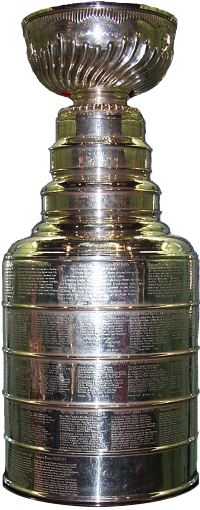
The trophy didn't even exist yet. When Montreal's AAA beat Ottawa 3-1, Lord Stanley's famous cup was still being engraved in London — it wouldn't arrive in Canada for another month. The players celebrated their championship without knowing what they'd actually won. Five teams had competed all season for a prize none of them had seen, based on a letter from Britain's Governor General promising "a challenge cup." When the silver bowl finally showed up, it stood just seven inches tall and cost ten guineas. Today it's grown to nearly three feet, covered in rings documenting every winner, because someone decided champions should add their names rather than pass along the original.
March 22, 1894
132 years ago
Key Figures & Places
What Else Happened on March 22
A province needed a calendar, so they started counting from the day Rome annexed them. Arabia Petraea's Bostran era began in 106 CE when Trajan transformed the …
His own troops killed him because he paid them too much. Severus Alexander's mother Julia Mamaea convinced him to bribe Germanic tribes instead of fighting them…
Gordien II devient empereur romain.
Proclaimed emperors by rebelling landowners in North Africa, Gordian I and his son Gordian II challenged the brutal rule of Maximinus Thrax. Their short-lived u…
Æthelred of Wessex won at Marton, but he'd be dead within a month. The Danish army he defeated on this frozen field in Wiltshire wasn't destroyed—just pushed ba…
en la sala caliente de los baños califales del Alcázar andalusí de Córdoba, es asesinado el califa Alí ben Hamud al-Násir a manos de sus propios sirvientes.
Talk to History
Have a conversation with historical figures who witnessed this era. Ask questions, explore perspectives, and bring history to life.