

Selma to Montgomery March Begins: 3,200 Walk for the Right to Vote
State troopers and sheriff's deputies beat 600 marchers with billy clubs and tear gas on the Edmund Pettus Bridge, turning a peaceful protest into "Bloody Sunday" that shocked the nation. This brutality forced federal courts to intervene and galvanized public opinion, directly prompting Congress to pass the Voting Rights Act of 1965 just months later. The legislation finally authorized federal oversight to enforce voting rights in jurisdictions where discrimination had long suppressed minority participation.
March 21, 1965
61 years ago
Key Figures & Places

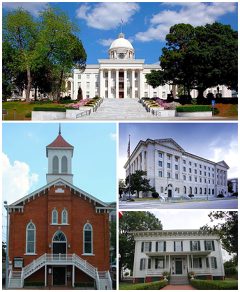
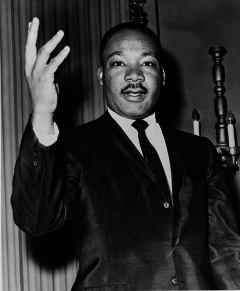
What Else Happened on March 21
The defenders had already survived 374 days of siege when Vitiges threw everything at Rome's walls. Bessas and Peranius knew the Praenestine Gate — the Vivarium…
les Mecquois doivent lever le siège de Yathrib (Médine), également en Arabie, marquant dès lors la naissance d'un premier État musulman.

Emperor Heraclius marched into Jerusalem to reclaim the True Cross, a relic stolen by the Sassanid Persians during their conquest of the city. This triumphant r…
Charles Martel crushed the forces of Neustria at the Battle of Vincy, ending the challenge to his authority as Mayor of the Palace. By securing this victory, he…
en Citeaux (Borgoña), el religioso francés Robert de Molesme funda el primer monasterio del Císter.
She was the richest woman in Europe, and Louis VII just handed her back. The annulment freed Eleanor of Aquitaine from France's king—along with her entire duchy…
Talk to History
Have a conversation with historical figures who witnessed this era. Ask questions, explore perspectives, and bring history to life.