

Pius VII Crowned Pope in Venice: Rome Was Too Dangerous
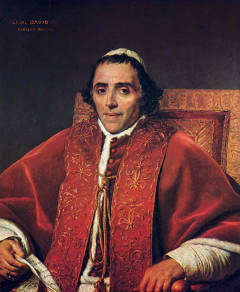
Pius VII was crowned Pope in Venice wearing a papier-mache tiara after French radical forces had driven the papal court from Rome and imprisoned his predecessor. The makeshift coronation symbolized the papacy's lowest modern ebb, yet Pius would later travel to Paris to crown Napoleon Emperor before excommunicating him five years afterward.
March 21, 1800
226 years ago
Key Figures & Places
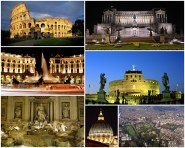
Rome
Wikipedia
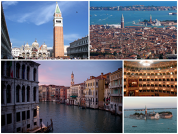
Venice
Wikipedia
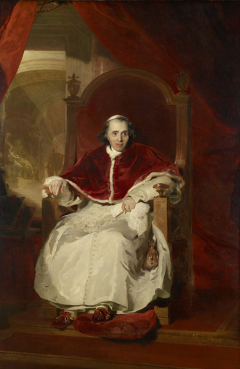
Pope Pius VII
Wikipedia
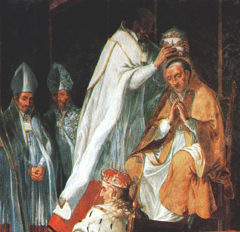
Papal Coronation
Wikipedia
Papal Tiara
Wikipedia
papier-mâché
Wikipedia
temporary papal tiara made of papier-mâché
Wikipedia

Papal States
Wikipedia

Rome
Wikipedia

Pope Pius VII
Wikipedia

Papal coronation
Wikipedia

Venice
Wikipedia
List of papal tiaras in existence
Wikipedia

Tiara papal
Wikipedia

Tiara de papel maché
Wikipedia

Siglo IV
Wikipedia

San Giorgio Maggiore
Wikipedia

Pope
Wikipedia

Papel machê
Wikipedia
What Else Happened on March 21
The defenders had already survived 374 days of siege when Vitiges threw everything at Rome's walls. Bessas and Peranius knew the Praenestine Gate — the Vivarium…
les Mecquois doivent lever le siège de Yathrib (Médine), également en Arabie, marquant dès lors la naissance d'un premier État musulman.

Emperor Heraclius marched into Jerusalem to reclaim the True Cross, a relic stolen by the Sassanid Persians during their conquest of the city. This triumphant r…
Charles Martel crushed the forces of Neustria at the Battle of Vincy, ending the challenge to his authority as Mayor of the Palace. By securing this victory, he…
en Citeaux (Borgoña), el religioso francés Robert de Molesme funda el primer monasterio del Císter.
She was the richest woman in Europe, and Louis VII just handed her back. The annulment freed Eleanor of Aquitaine from France's king—along with her entire duchy…
Talk to History
Have a conversation with historical figures who witnessed this era. Ask questions, explore perspectives, and bring history to life.