

Battle of New Orleans: Jackson Wins the War Two Weeks After Peace Was Signed
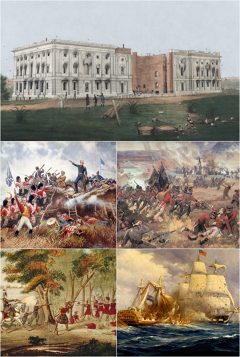
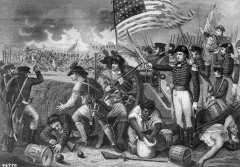
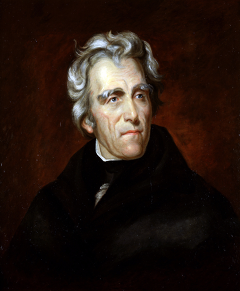
Andrew Jackson's troops repelled a massive British assault at New Orleans, securing a decisive victory that crushed any lingering hope of a British conquest of the South. This triumph instantly transformed Jackson into a national hero and fueled the surge of American nationalism that defined the subsequent "Era of Good Feelings.
January 8, 1815
211 years ago
Key Figures & Places

What Else Happened on January 8
A palace coup whispered through silk screens. Sima Chi didn't just inherit the throne—he seized it from his own blood. His brother Sima Zhong had been a weak ru…
Emperor Jin Huidi died after consuming a poisoned cake, abruptly ending a reign defined by the devastating War of the Eight Princes. His son, Jin Huaidi, inheri…
Siyaj K'ak' seized the Maya city of Waka, installing a new ruler backed by the military might of Teotihuacán. This conquest forcibly integrated the Petén Basin …
King Ethelred of Wessex and his brother Alfred routed a Great Heathen Army at the Battle of Ashdown, securing a rare victory against the invading Danes. This tr…
Alfred the Great led his West Saxon forces to victory against a Viking army at the Battle of Ashdown. By securing this win, he prevented the total collapse of h…
el cardenal Lotario de Segni es elegido papa y adopta el nombre de Inocencio III.
Talk to History
Have a conversation with historical figures who witnessed this era. Ask questions, explore perspectives, and bring history to life.