

Washington Delivers First State of the Union: A New Tradition Begins
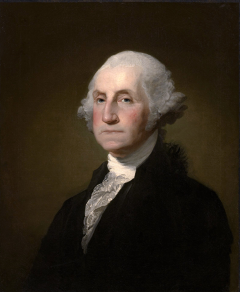
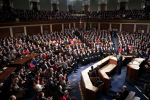
George Washington delivered the first regular annual message before a joint session of Congress in New York City on January 8, 1790. Thomas Jefferson later abandoned this personal appearance in 1801, fearing it resembled monarchical Speech from the Throne, and the address remained written until Woodrow Wilson revived the tradition in 1913. Franklin D. Roosevelt coined the term "State of the Union" in 1934, establishing its modern identity after the 20th Amendment shifted Congress's opening to January.
January 8, 1790
236 years ago
Key Figures & Places

What Else Happened on January 8
A palace coup whispered through silk screens. Sima Chi didn't just inherit the throne—he seized it from his own blood. His brother Sima Zhong had been a weak ru…
Emperor Jin Huidi died after consuming a poisoned cake, abruptly ending a reign defined by the devastating War of the Eight Princes. His son, Jin Huaidi, inheri…
Siyaj K'ak' seized the Maya city of Waka, installing a new ruler backed by the military might of Teotihuacán. This conquest forcibly integrated the Petén Basin …
King Ethelred of Wessex and his brother Alfred routed a Great Heathen Army at the Battle of Ashdown, securing a rare victory against the invading Danes. This tr…
Alfred the Great led his West Saxon forces to victory against a Viking army at the Battle of Ashdown. By securing this win, he prevented the total collapse of h…
el cardenal Lotario de Segni es elegido papa y adopta el nombre de Inocencio III.
Talk to History
Have a conversation with historical figures who witnessed this era. Ask questions, explore perspectives, and bring history to life.