

Nevada Legalizes Gambling: Las Vegas Is About to Happen
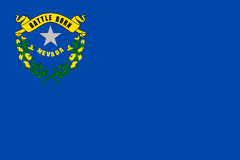
The state was so broke it couldn't pay its teachers. Nevada's governor Fred Balzar signed Assembly Bill 98 on March 19, 1931, legalizing casino gambling as a desperate revenue grab during the Depression's darkest days. The bill passed quietly—most legislators figured it'd just formalize the illegal card rooms already operating in Reno's back alleys. Nobody imagined the desert. Within two decades, mobster Bugsy Siegel would transform a dusty Las Vegas railroad stop into the Strip, and Nevada's "sin tax" experiment would generate billions, making it the only state that doesn't need income tax to survive. Desperation dressed up as vice became America's most profitable business model.
March 19, 1931
95 years ago
Key Figures & Places
What Else Happened on March 19
se avista el primer eclipse lunar del que se conocen noticias.
la Universidad de París adopta oficialmente el aristotelismo al proclamar la Facultad de Artes un nuevo plan que imponía el estudio de todas las obras conocidas…
Der am 1. September des Vorjahres in seiner Abwesenheit zum Papst gewählte Gregor X. wird in Rom zum Priester geweiht.
Byzantine Emperor Michael VIII Palaiologos and the Venetian Republic secured a two-year truce, stabilizing trade routes across the Mediterranean. By renewing Ve…
The Mongol navy crushed the last Song dynasty resistance at the Battle of Yamen, driving the young emperor and his officials to drown themselves in the sea. Thi…

Yuan admiral Zhang Hongfan lured the desperate Song navy into a fatal trap at Yamen Bay, where he feigned a banquet to lower defenses before unleashing a surpri…
Talk to History
Have a conversation with historical figures who witnessed this era. Ask questions, explore perspectives, and bring history to life.