

My Lai Massacre: Vietnam's Brutal Truth Revealed
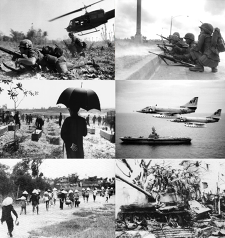
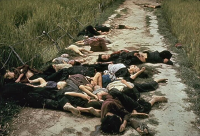
American soldiers from Charlie Company, 1st Battalion, 20th Infantry Regiment entered the village of My Lai in Quang Ngai Province on March 16, 1968, expecting to find Viet Cong fighters. They found unarmed civilians. Over the next four hours, they killed between 347 and 504 Vietnamese men, women, children, and infants, committing the most documented war crime of the Vietnam War. The soldiers had been briefed that My Lai was a Viet Cong stronghold and that all civilians would have left for the market by the time of the assault. When they encountered hundreds of villagers, many of them elderly women and children, company commander Captain Ernest Medina and platoon leader Lieutenant William Calley ordered or permitted the killings to continue. Soldiers shot people in ditches, burned homes with inhabitants still inside, and assaulted women before killing them. Warrant Officer Hugh Thompson, an Army helicopter pilot observing the operation from above, recognized the massacre and landed his helicopter between American soldiers and a group of Vietnamese civilians. He ordered his crew to open fire on any American soldier who attempted to harm the civilians, and personally evacuated several groups to safety. Thompson's intervention saved at least eleven lives and was initially reported up the chain of command, but the Army suppressed the information. The massacre remained hidden for over a year until investigative journalist Seymour Hersh broke the story in November 1969, based on information from a soldier named Ron Ridenhour who had written letters to military and political officials demanding an investigation. The photographs taken by Army photographer Ronald Haeberle, showing dead civilians including small children, shocked the American public and fueled the antiwar movement. Of the twenty-six soldiers charged, only Calley was convicted. He received a life sentence in 1971 but served only three and a half years of house arrest after President Nixon intervened. No other participant faced meaningful punishment. My Lai exposed the gap between America's stated values and the reality of what its soldiers were doing in Vietnam.
March 16, 1968
58 years ago
Key Figures & Places



What Else Happened on March 16
Nebuchadnezzar didn't destroy Jerusalem the first time — he just walked in and took what he wanted. After a three-month siege in 597 BC, the young King Jehoiach…
Nebuchadnezzar II seized Jerusalem and deposed King Jehoiachin, installing Zedekiah as a puppet ruler to secure Babylonian control over the Levant. This forced …
Caligula ascended to the Roman throne following the death of Tiberius, ending a period of paranoid isolation in the imperial court. His initial popularity quick…
Two Hunnic bodyguards walked right up to the emperor during archery practice and killed him with their swords. Optila and Thraustila weren't acting on orders—th…
He'd been governor for just five years when Meng Zhixiang bet everything on a crown. The military commander watched Later Tang collapse into chaos and saw his o…
The Jews of York knew the royal castle was a trap, but the mob outside was worse. 150 men, women, and children barricaded themselves inside Clifford's Tower on …
Talk to History
Have a conversation with historical figures who witnessed this era. Ask questions, explore perspectives, and bring history to life.