Iwo Jima Falls: America Secures a Critical Base
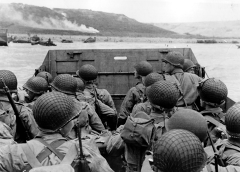
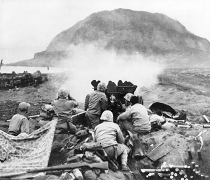
The United States Marines secured Iwo Jima on March 16, 1945, after 36 days of the most concentrated combat in Marine Corps history. The battle killed 6,821 Americans and virtually all 21,000 Japanese defenders on an eight-square-mile volcanic island that was needed for exactly one purpose: an emergency landing strip for B-29 bombers returning damaged from raids on mainland Japan. The island's strategic value was simple but critical. B-29s flying from the Mariana Islands to bomb Japanese cities covered a round trip of over 3,000 miles, and damaged aircraft that could not complete the return flight ditched in the Pacific with little hope of rescue. Iwo Jima sat almost exactly halfway between the Marianas and Tokyo. Capturing it would provide an emergency airfield and allow fighter escorts to accompany the bombers, dramatically increasing their effectiveness and crew survival rates. Japanese General Tadamichi Kuribayashi, recognizing that he could not prevent the American landing, abandoned the conventional beach defense strategy and instead built an elaborate network of tunnels, bunkers, and interconnected fighting positions throughout the island's volcanic terrain. The tunnel system ran for eleven miles, connecting over 1,500 rooms and fighting positions that were virtually impervious to naval bombardment and aerial bombing. Marines of the 3rd, 4th, and 5th Divisions landed on February 19 under heavy fire. The iconic flag-raising on Mount Suribachi occurred on February 23, only four days into the battle, but the worst fighting lay ahead. Clearing the northern portion of the island required weeks of close combat, often with flamethrowers and demolition charges against fortified positions. Marines advanced at rates measured in yards per day. By the war's end, 2,251 B-29s had made emergency landings on Iwo Jima, carrying approximately 24,761 crewmen who might otherwise have been lost at sea. The arithmetic of Iwo Jima was brutal but clear: 6,821 Americans died to save nearly 25,000 others.
March 16, 1945
81 years ago
Key Figures & Places

What Else Happened on March 16
Nebuchadnezzar didn't destroy Jerusalem the first time — he just walked in and took what he wanted. After a three-month siege in 597 BC, the young King Jehoiach…
Nebuchadnezzar II seized Jerusalem and deposed King Jehoiachin, installing Zedekiah as a puppet ruler to secure Babylonian control over the Levant. This forced …
Caligula ascended to the Roman throne following the death of Tiberius, ending a period of paranoid isolation in the imperial court. His initial popularity quick…
Two Hunnic bodyguards walked right up to the emperor during archery practice and killed him with their swords. Optila and Thraustila weren't acting on orders—th…
He'd been governor for just five years when Meng Zhixiang bet everything on a crown. The military commander watched Later Tang collapse into chaos and saw his o…
The Jews of York knew the royal castle was a trap, but the mob outside was worse. 150 men, women, and children barricaded themselves inside Clifford's Tower on …
Talk to History
Have a conversation with historical figures who witnessed this era. Ask questions, explore perspectives, and bring history to life.