

Goddard Launches First Liquid-Fuel Rocket: The Space Age Begins in a Field
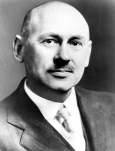
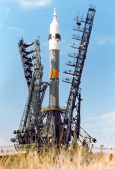
Robert Hutchings Goddard launched the world's first liquid-fueled rocket on March 16, 1926, proving that controlled flight beyond Earth's atmosphere was physically possible. This feat forced the scientific community to abandon theoretical speculation for engineering reality, directly enabling the multistage designs and three-axis controls that later powered the Space Age.
March 16, 1926
100 years ago
Key Figures & Places

What Else Happened on March 16
Nebuchadnezzar II seized Jerusalem and deposed King Jehoiachin, installing Zedekiah as a puppet ruler to secure Babylonian control over the Levant. This forced …
Nebuchadnezzar didn't destroy Jerusalem the first time — he just walked in and took what he wanted. After a three-month siege in 597 BC, the young King Jehoiach…
los babilonios capturan Jerusalén, y reemplazan a Joaquín por Sedecías como rey.
Caligula ascended to the Roman throne following the death of Tiberius, ending a period of paranoid isolation in the imperial court. His initial popularity quick…
en la isla de Capri Italia se registra un terremoto de magnitud 7,0 en la escala de Richter. (Véase Terremotos en la Antigüedad).
Western Roman Emperor Valentinian III is assassinated while practising on the Campus Martius on behalf of Petronius Maximus.
Talk to History
Have a conversation with historical figures who witnessed this era. Ask questions, explore perspectives, and bring history to life.